Weathering
All timber changes over time – and that’s part of its beauty.
When left uncoated, Russwood timber cladding naturally weathers to a beautiful silver-grey finish. Like all external building materials, timber responds to its environment, creating an appearance that evolves gracefully over time.
Weathering gallery
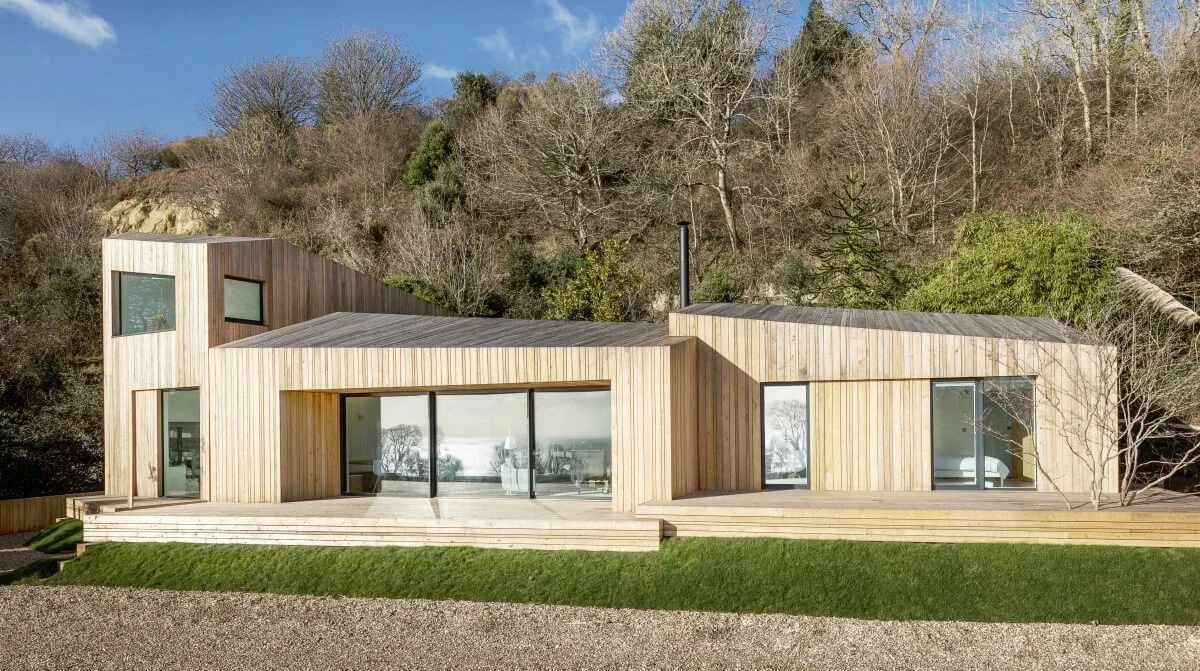
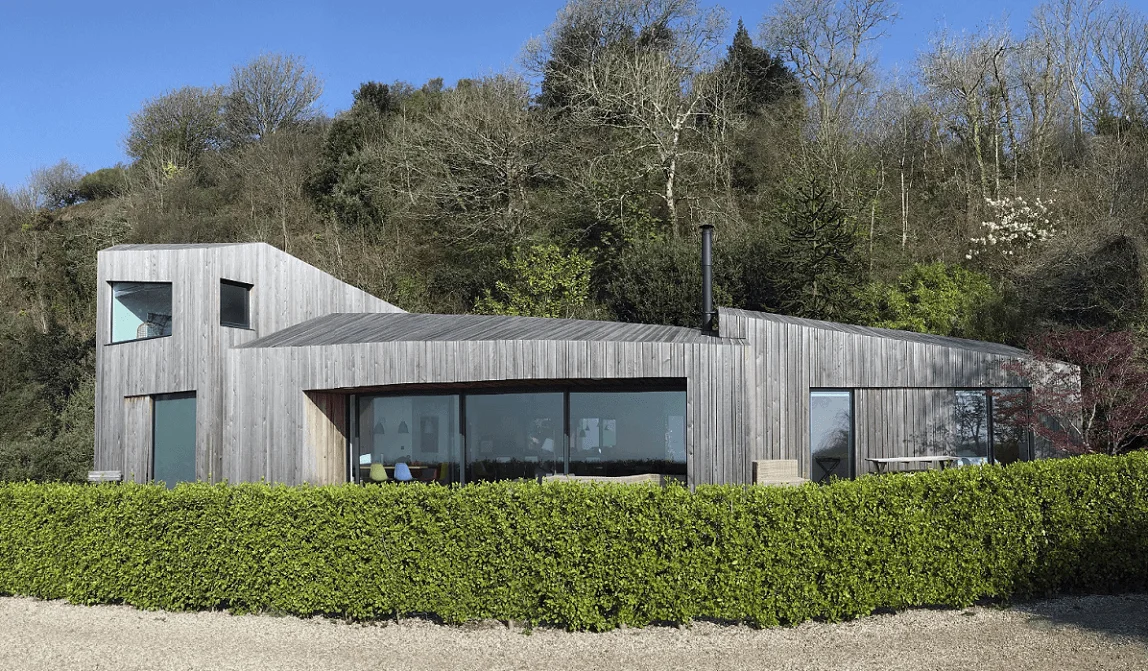
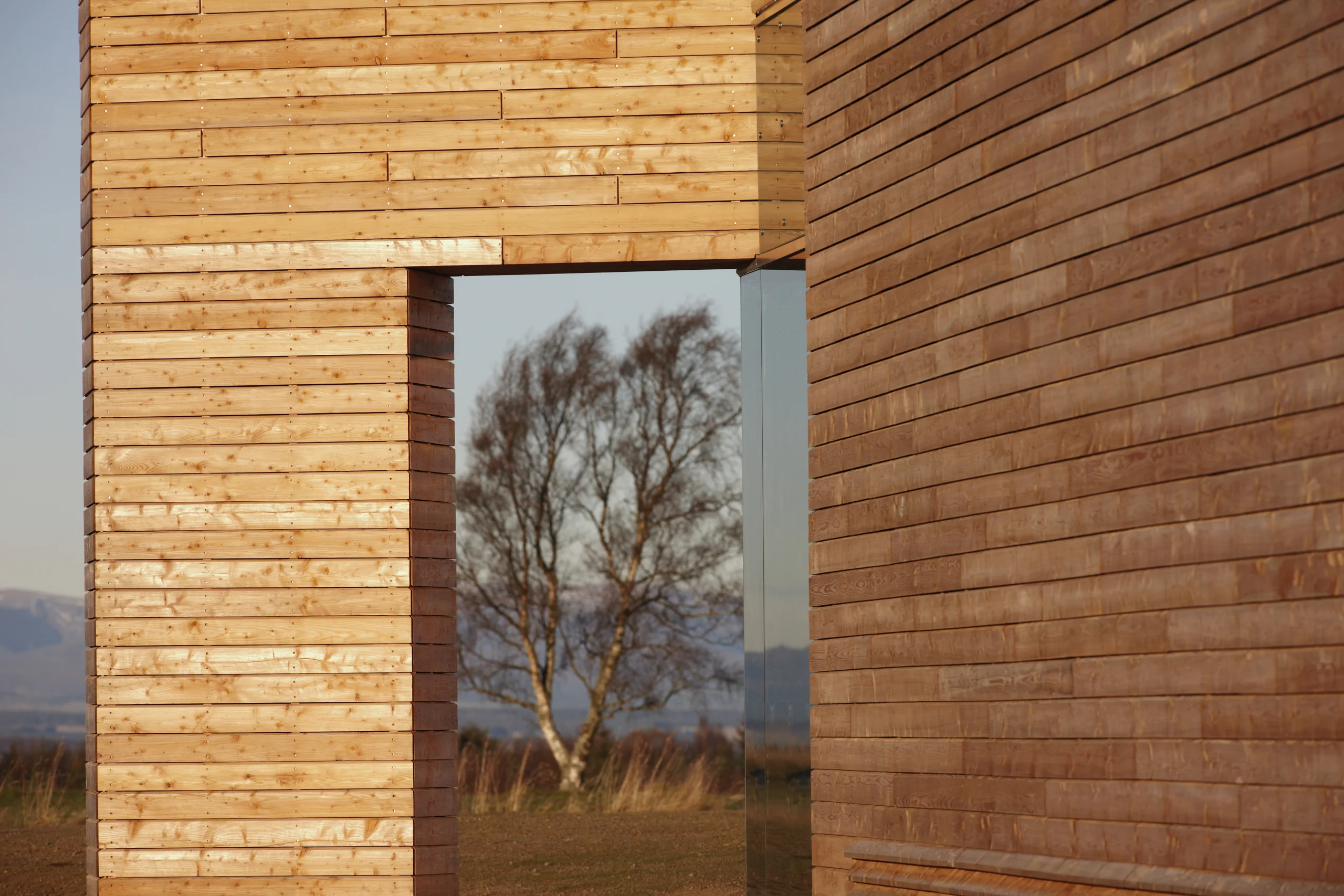
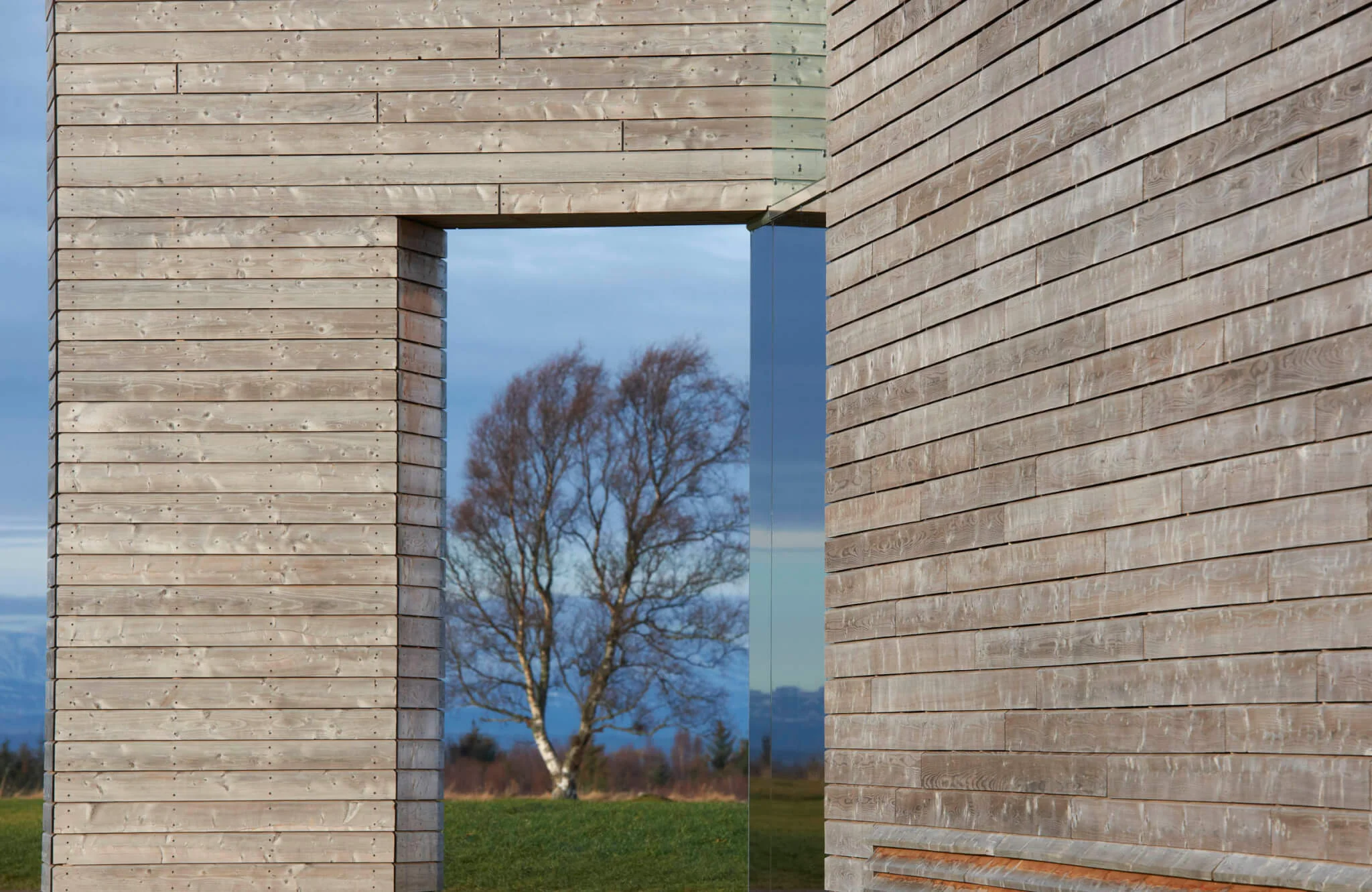
All external building materials change over time, and timber is no exception. As a naturally durable material, timber cladding is designed to perform for decades, gradually weathering as it is exposed to the elements. This natural ageing process changes the appearance of the timber and should be considered as part of the design from the outset.
All uncoated timber, regardless of species, will weather when exposed to its natural environment. By understanding how weathering influences the appearance of a façade, architects, specifiers and clients can confidently incorporate this natural process into the overall design intent.

How timber weathers
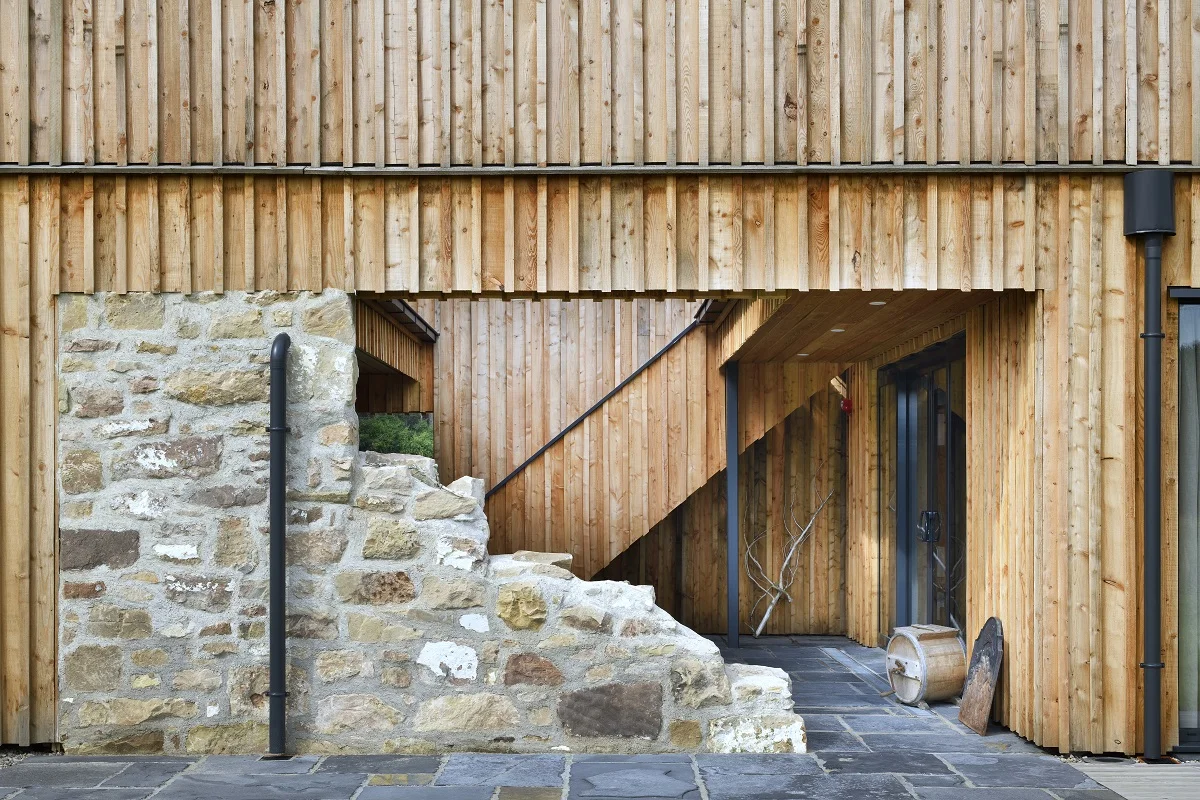
When left uncoated, timber naturally weathers as it is exposed to sunlight and moisture. Over time, the surface gradually changes in both colour and texture, developing the distinctive silver-grey appearance associated with naturally weathered timber.
During the early stages of weathering, some timber species may temporarily darken as natural extracts rise to the surface. As exposure to sunlight and moisture continues, the timber gradually lightens before developing its characteristic silver-grey patina. Small surface checks may also appear as part of the natural ageing process.
Weathering is a natural and expected process and should not be confused with decay. When correctly specified, detailed and installed, timber cladding will weather beautifully for decades. The appearance of weathered timber will vary with moisture levels, appearing darker when wet and lighter as it dries.
Building location
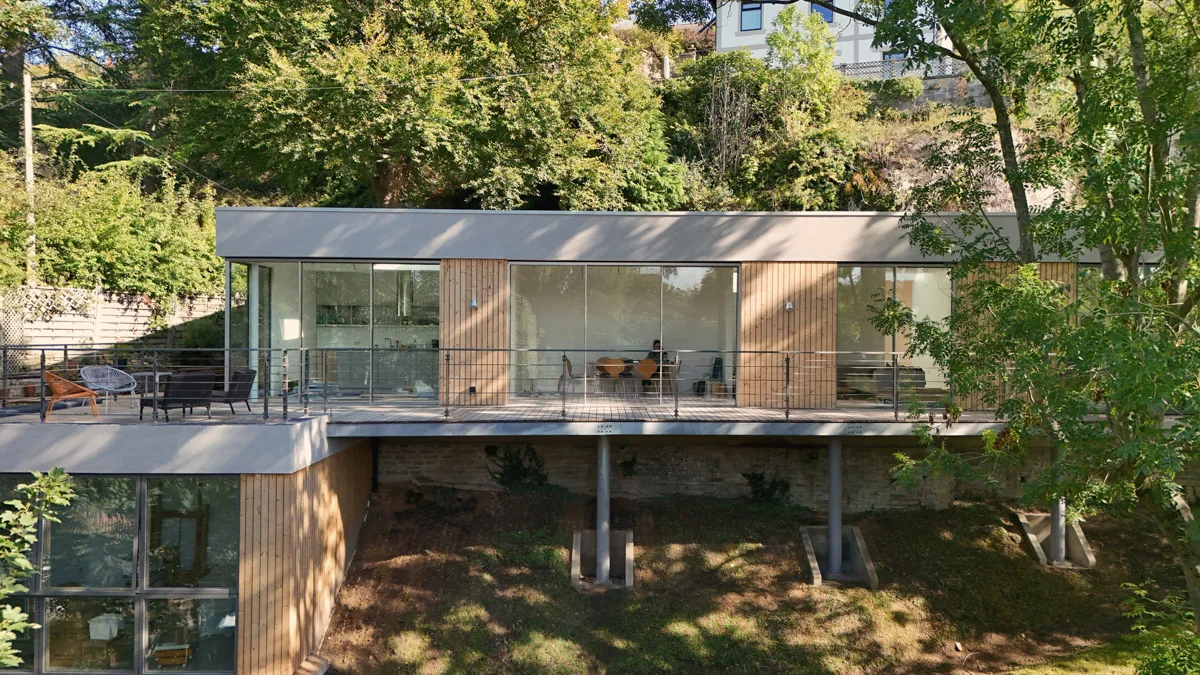
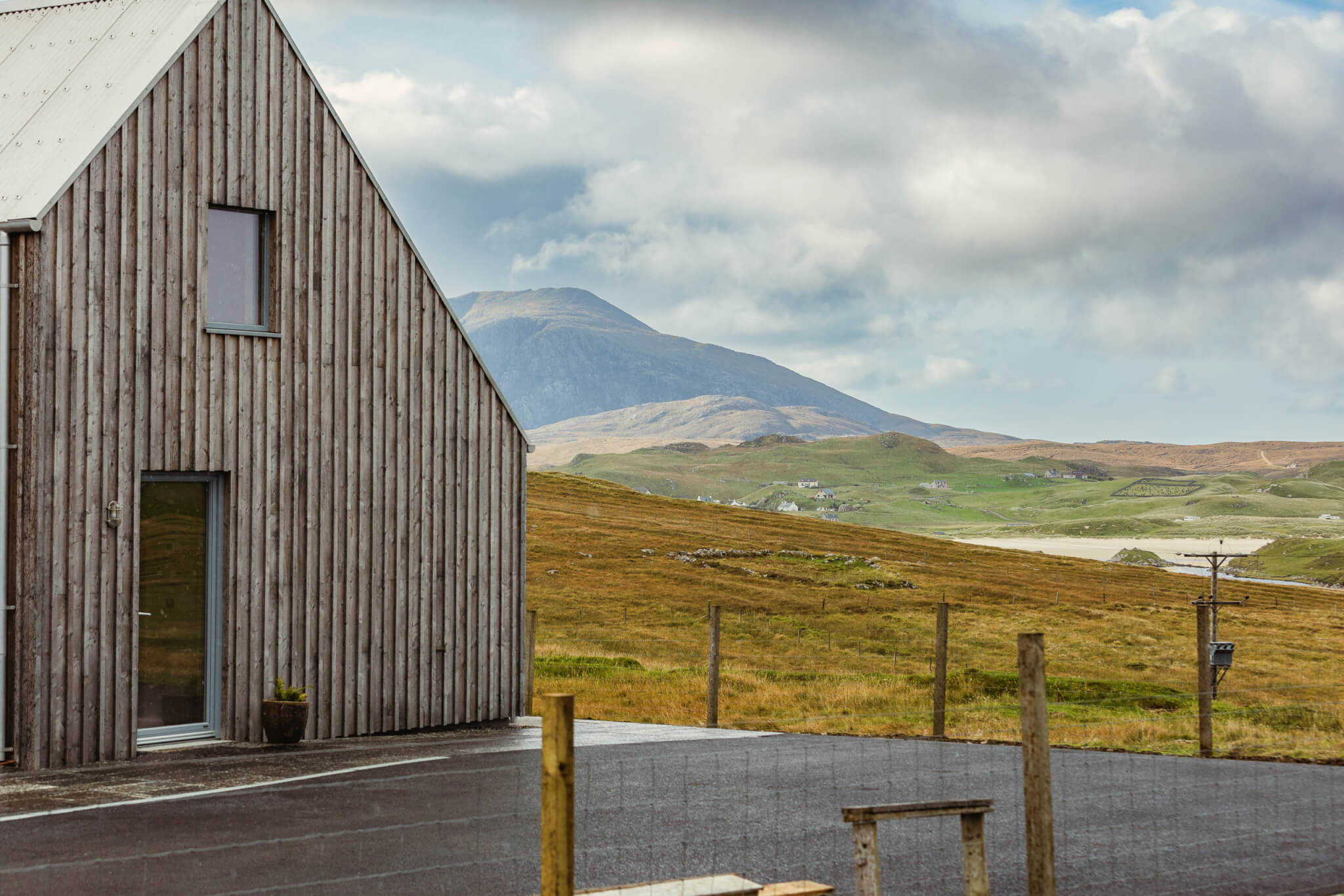
Climate and environment have a significant influence on how quickly timber weathers. Coastal, urban and exposed locations may weather differently to more sheltered inland settings due to factors such as salt content, rainfall and UV exposure. For example, timber used in Cornwall or the Western Isles is likely to weather differently from a project in London or the Scottish Borders. South and west-facing elevations also tend to weather more quickly than more sheltered north-facing façades.

Building design
Building design also influences weathering. Overhangs, façade detailing and exposure to wind-driven rain can all affect how evenly timber weathers. Areas protected from rainfall or direct sunlight may develop more slowly, while exposed corners or zones subject to splashback often weather more quickly.
Over time, these variations naturally become less pronounced, typically creating the consistent silver-grey appearance associated with uncoated timber.
Timber species
All Russwood cladding species are naturally durable and can be left to weather, developing a beautiful silver-grey finish over time. Different species weather at different rates and produce subtly different tones depending on their natural characteristics.
SiOO:X – a weathered look without the wait
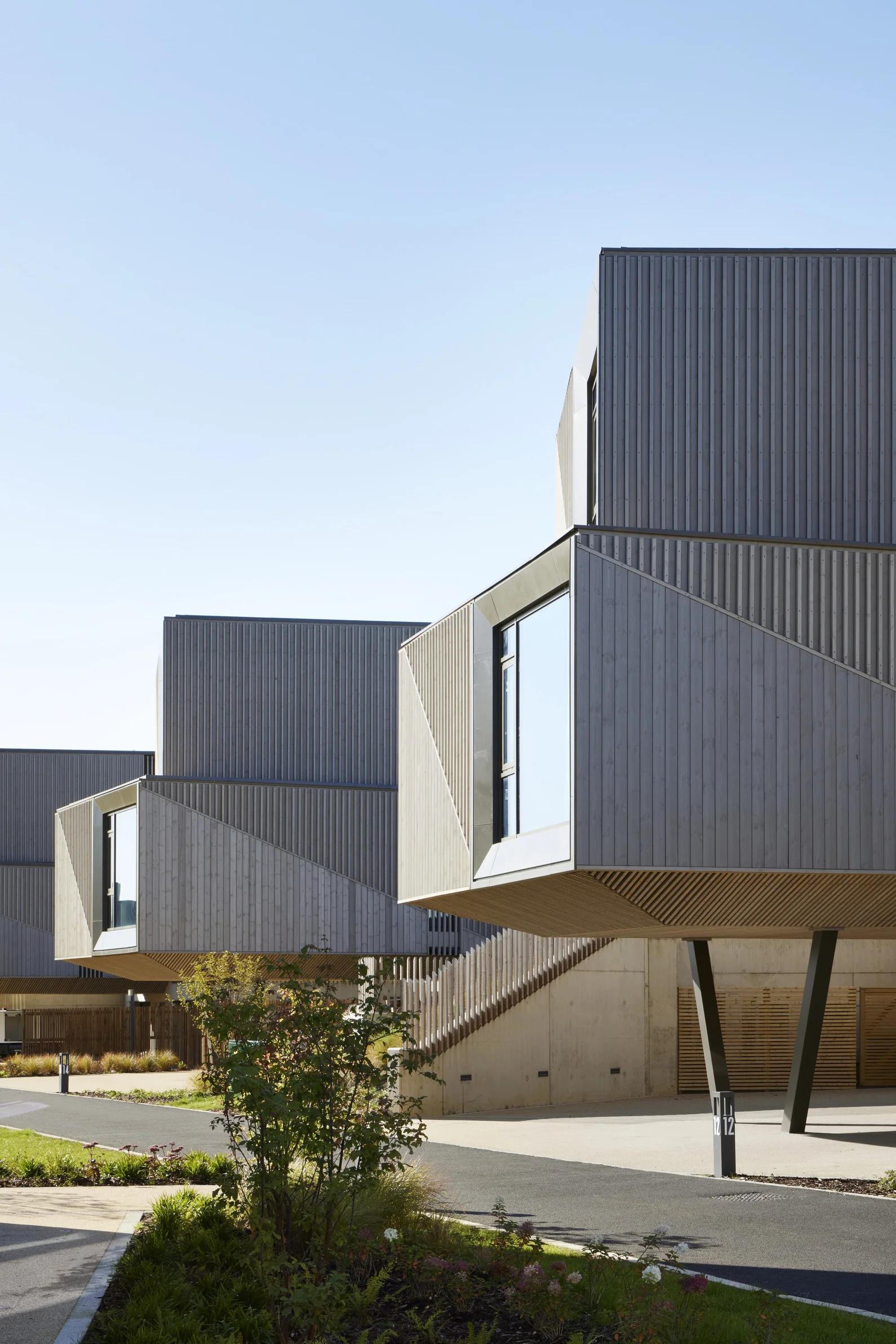
Most timber species can be factory coated with SiOO:X, an innovative silicone treatment that accelerates the natural weathering process, creating an authentic silver-grey appearance from the outset.
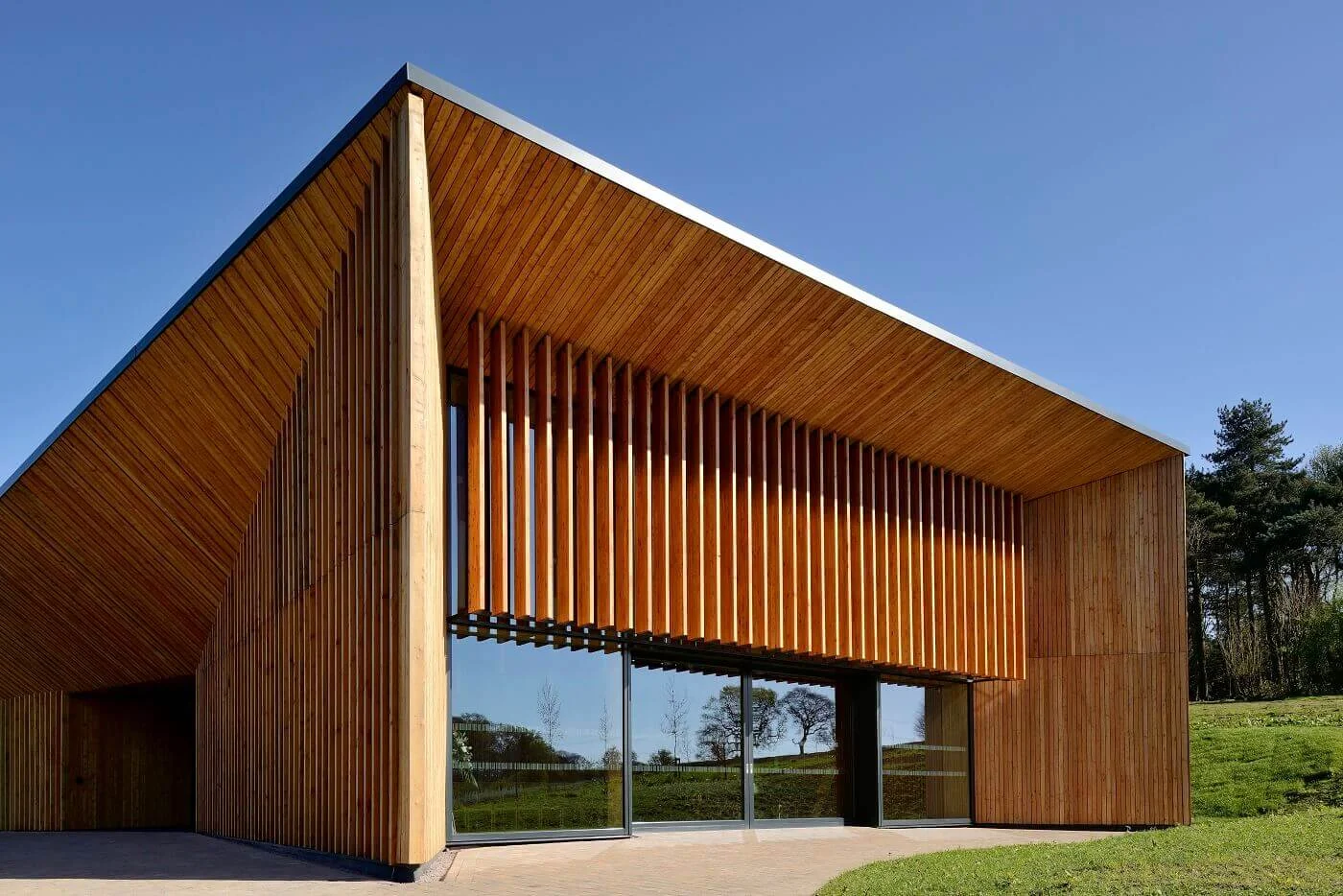
Maintaining the original appearance of timber cladding
Many architects choose to embrace natural weathering as part of the design, allowing the building to develop a softer, more settled appearance that blends beautifully with its surroundings.
If you’d prefer to retain the timber’s original colour, factory-applied clear or coloured coatings can provide long-term protection. These coatings require periodic maintenance throughout the life of the cladding.


