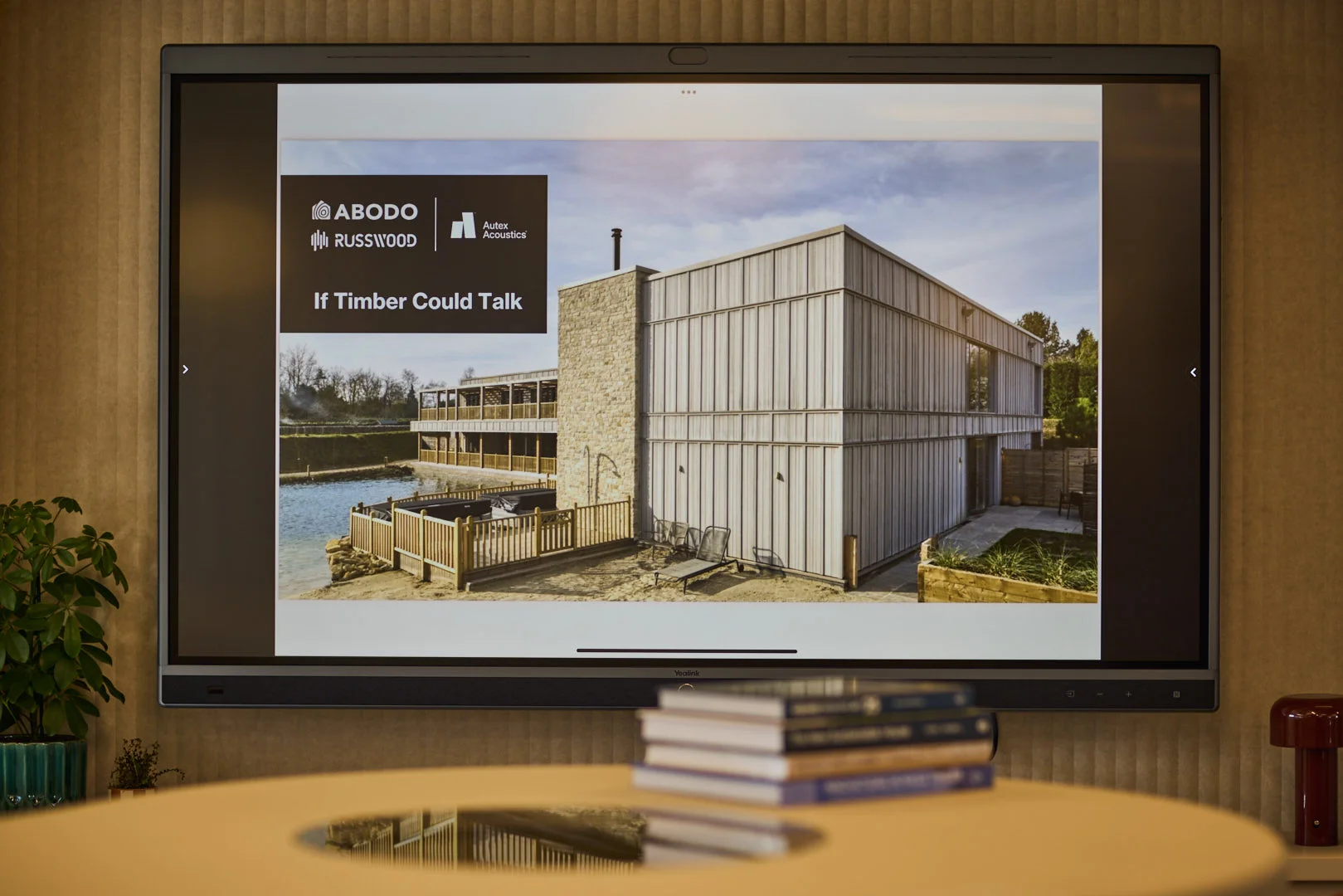
‘If Timber Could Talk’: timber’s role in sustainable design, circularity and wellbeing

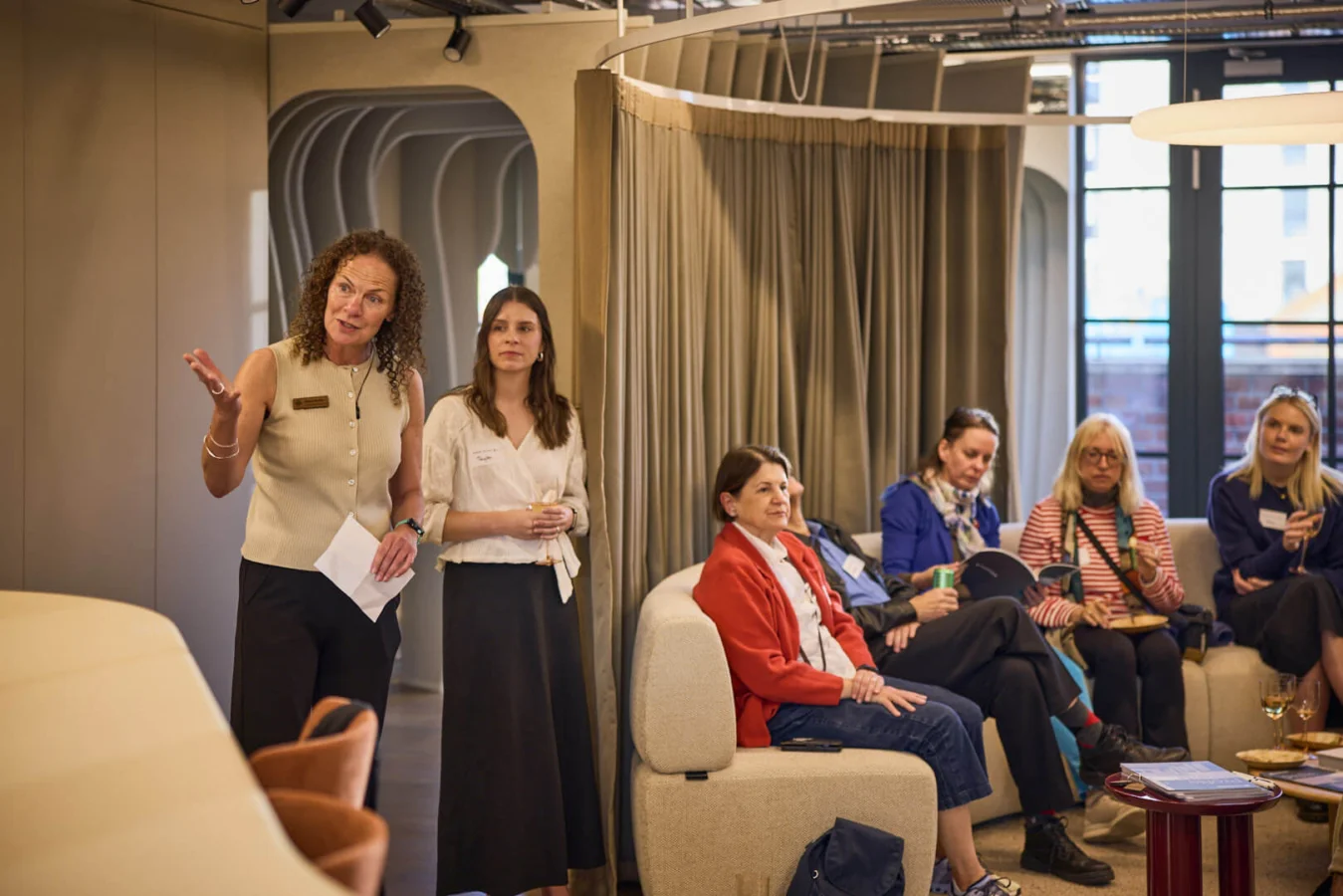
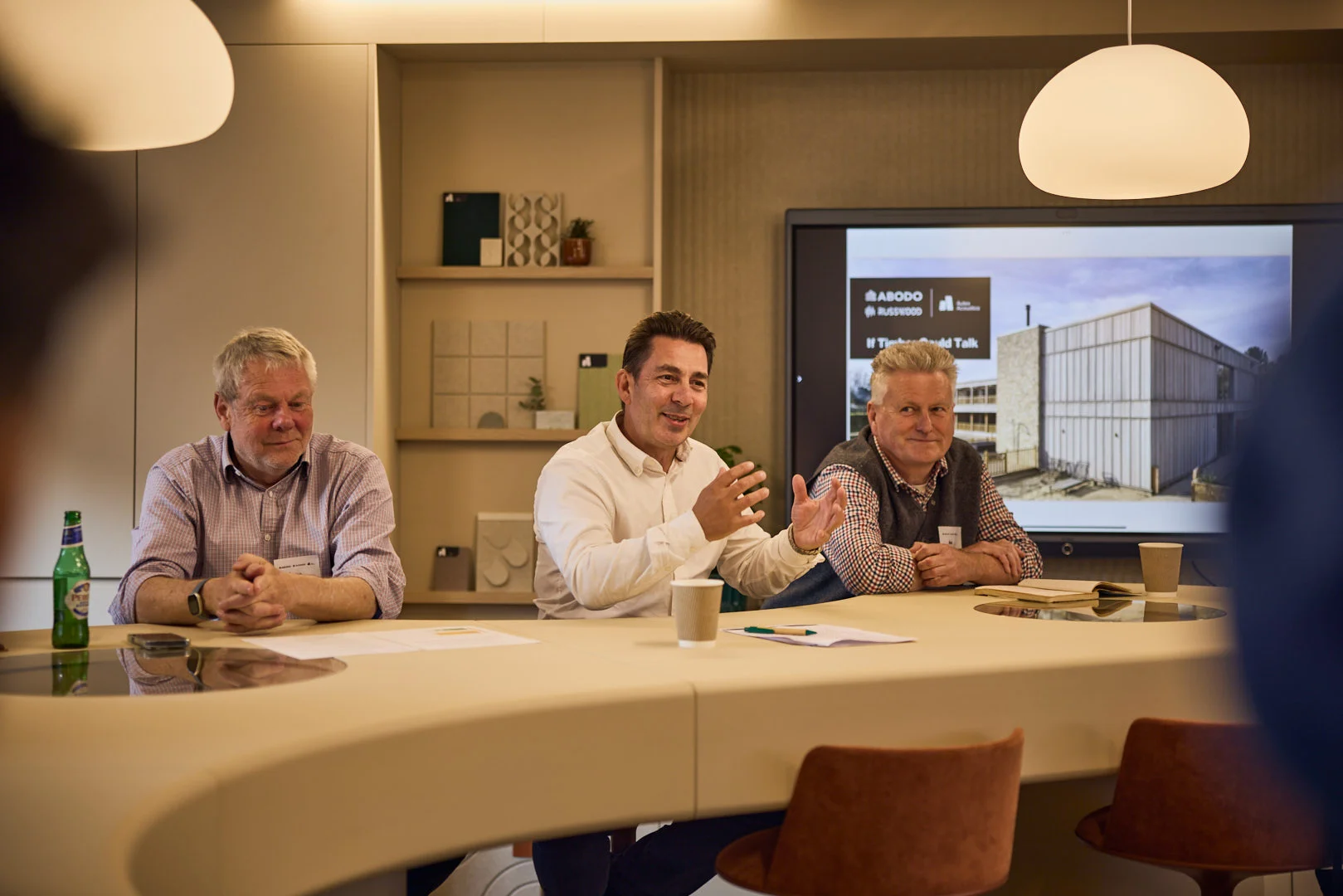
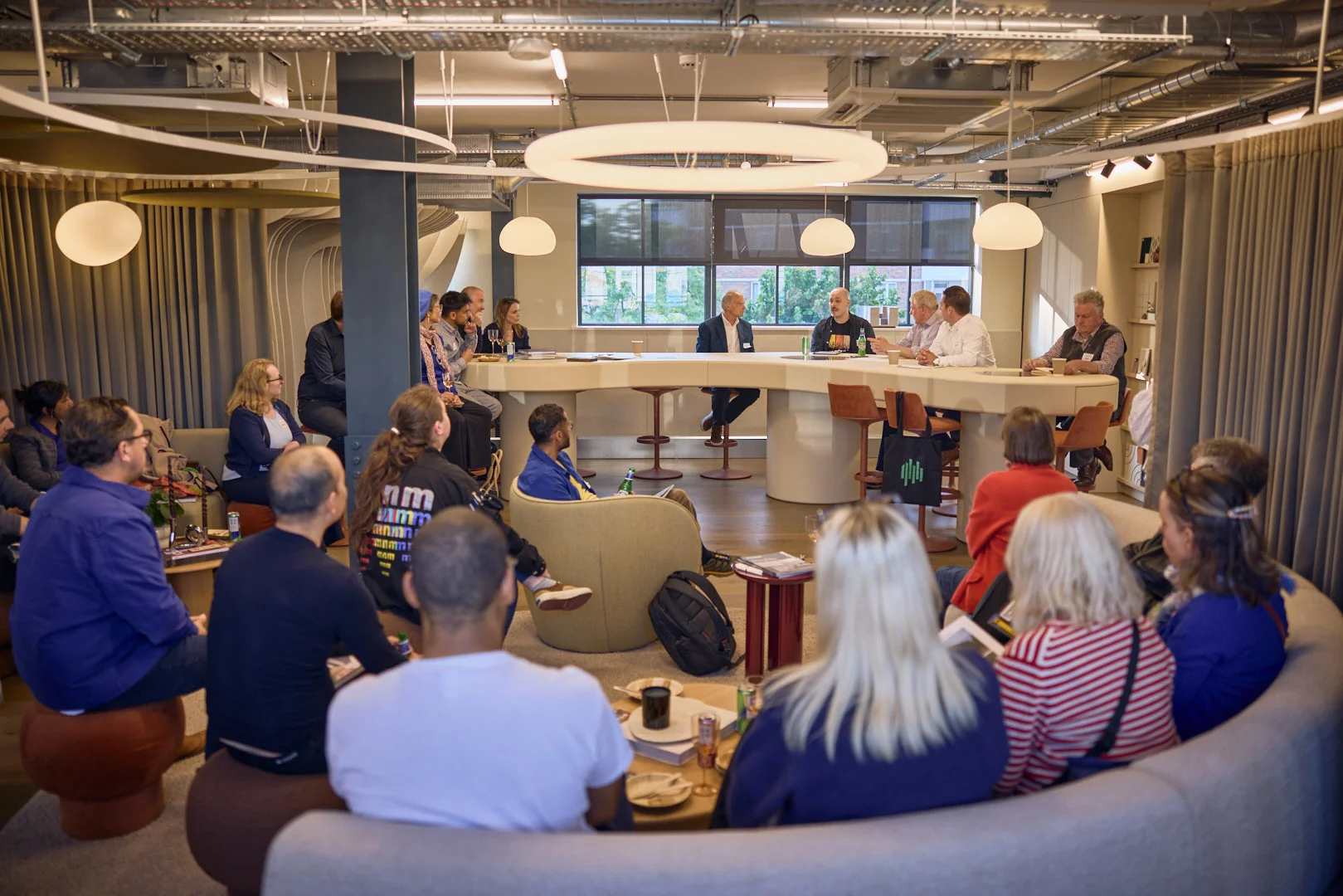
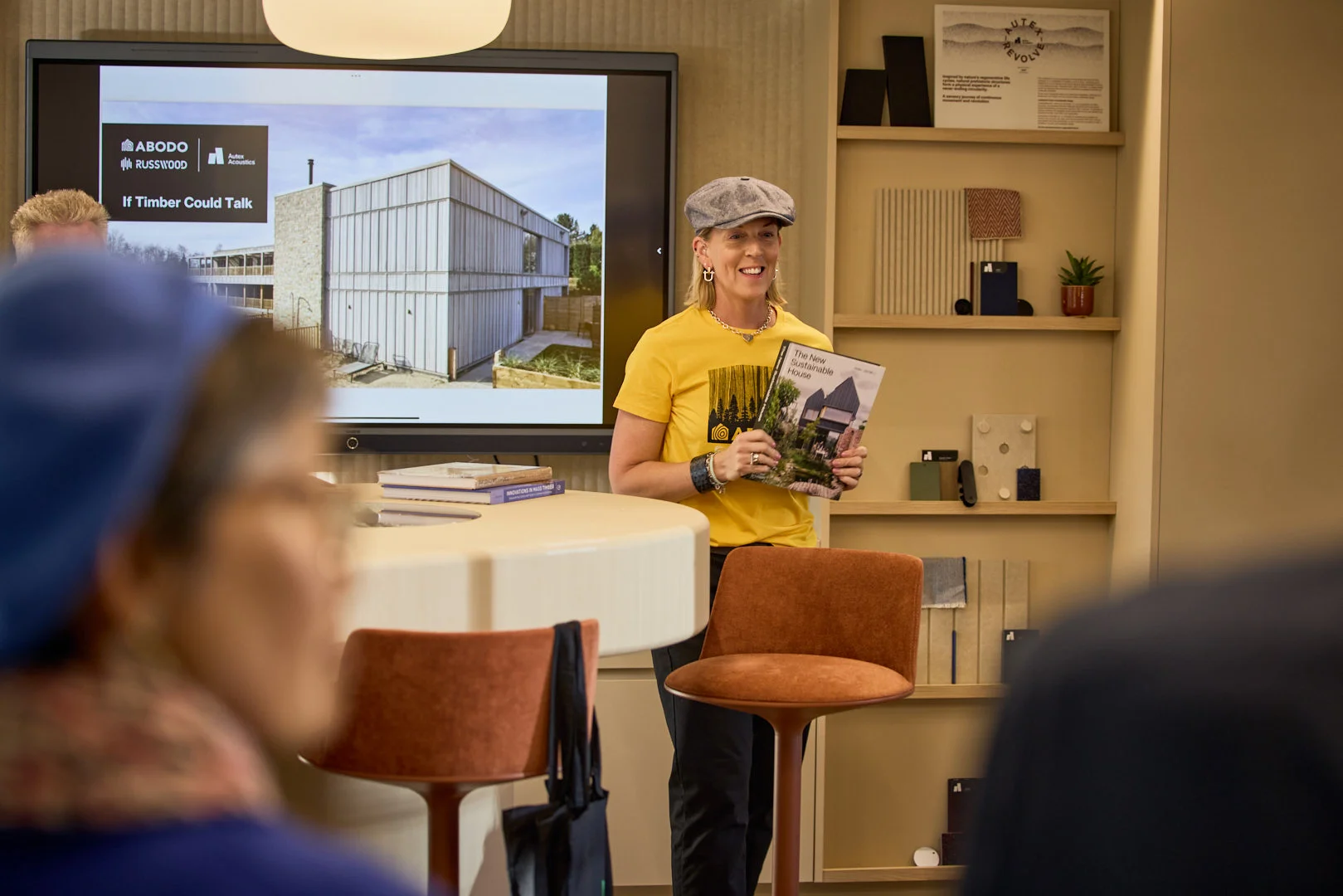
As the built environment accelerates toward net zero, timber is one of the most trusted materials for architects and designers seeking low-impact, regenerative solutions. At If Timber Could Talk—our London Festival of Architecture (LFA) 2025 panel event hosted at Autex Acoustics in partnership with Abodo Wood—we invited experts from across the timber and design industries to explore timber’s potential for environmental sustainability, circularity, and emotional connection to nature. This discussion was not only a celebration of timber’s past and present – it was a critical look at its future. The event also aligns with the ARB Architects Registration Board’s 2025 Core Competency in Environmental Sustainability, offering attendees key insights into responsible material choices and sustainable design thinking.
Table of Contents
- 1. Timber as a tool for environmental wellbeing
- 2. Responsible timber sourcing and certification
- 3. Timber and embodied carbon: policy, impact, and part Z
- 4. Designing for circularity and reuse
- 5. Timber efficiency and the future of forests
- Thank you
- Final Thought: If Timber Could Talk…
- Highlights Gallery
1. Timber as a tool for environmental wellbeing
A material that speaks to the senses
Timber is more than just a building material – it connects us to the natural world in ways that few other materials can. Panellists including architect David Morley from David Morley Architects shared how timber is used to evoke calm, comfort, and wellbeing in spaces, influencing how occupants feel, hear, and even smell their surroundings.
“When you walk down a stair made of CLT and move into a concrete section, the shift in acoustics and atmosphere is striking,” David observed. “It’s not just looks – it’s smell, acoustics, it all affects how you feel.”
Timber’s warmth, tactility, and even scent help foster biophilic environments, which are increasingly being prioritised in healthy building design. These sensory benefits, though often intangible, contribute to user experience and long-term satisfaction – making timber a powerful tool in the architect’s toolkit.
2. Responsible timber sourcing and certification
Why sustainable forestry is non-negotiable
Forests cover 31% of the Earth’s surface and support 1.6 billion people worldwide. As Andrew Sharkey of the Forest Stewardship Council (FSC) outlined, they also provide essential ecosystem services – storing carbon, preserving biodiversity, and regulating water cycles.
That’s why sustainable timber sourcing is critical. Certification systems for responsibly sourced timber ensure it’s harvested in a way that balances environmental, social, and economic factors. Without these safeguards, specifiers cannot claim carbon sequestration benefits, and risk contributing to deforestation and biodiversity loss.
“Sustainable forestry is not just about carbon – it’s about human rights, ecology, fair labour, and land use,” Andrew reminded us. “If you don’t have all three pillars—environmental, social, and economic—you don’t have true sustainability.”
3. Timber and embodied carbon: policy, impact, and part Z
A low-carbon material for a high-impact future
One of the central themes of the evening was embodied carbon – the carbon emitted during the production and transportation of materials. With buildings responsible for nearly 40% of global emissions, reducing embodied carbon has become a critical focus area.
Timber, when sourced sustainably, offers one of the few truly low-embodied-carbon options, thanks to its ability to store biogenic carbon throughout its lifespan.
The panel highlighted the Part Z campaign, which advocates for embodied carbon regulation in the UK Building Regulations. Inspired by Denmark’s recent success in legislating for embodied carbon, Simon Corbey, Chief Executive of the Alliance for Sustainable Building Products (ASBP), encouraged all built environment professionals to support Part Z by signing up at part-z.uk.
“Legislation will only happen if the industry demands it,” said Simon. “Part Z is our chance to make that demand heard.”
4. Designing for circularity and reuse
A regenerative future built on timber’s versatility
Circular design is no longer a buzzword, it’s a necessity. Timber, with its modularity, ease of disassembly, and long lifespan, is well-suited to circular construction strategies. Charlie Law from Timber Development UK outlined practical approaches to designing for reuse, including:
- Using offsite construction methods for easier disassembly
- Choosing finishes that can be removed, sanded, and reapplied
- Prioritising thermally modified and naturally durable species over chemically treated timber
The conversation highlighted not just technical feasibility, but cultural precedents too – like Japanese temples designed to be rebuilt every few decades using the same timber joints. Timber, when properly detailed and maintained, can be used again and again.
5. Timber efficiency and the future of forests
Doing more with less—and doing it sustainably
With global timber demand projected to quadruple by 2050 (World Bank), efficiency will be critical. As David Morley noted, “We need to use every part of the tree,” from structural timbers to finishes and internal linings. And as Charlie added, “Efficiency begins at the design stage.”
The panel discussed how 67% of post-demolition timber currently goes to biomass for energy generation – focusing our attention towards reuse, remanufacture, or recycling will be key to protecting this renewable resource.
Meanwhile, growing forest cover remains a major priority. In the UK, about 13% of land is forested, compared to 40% in Europe. Government targets aim for 16% by 2050. Plantation forestry—especially fast-growing species like radiata pine, as used by Abodo Wood—will be essential in balancing demand with ecological responsibility.
Thank you
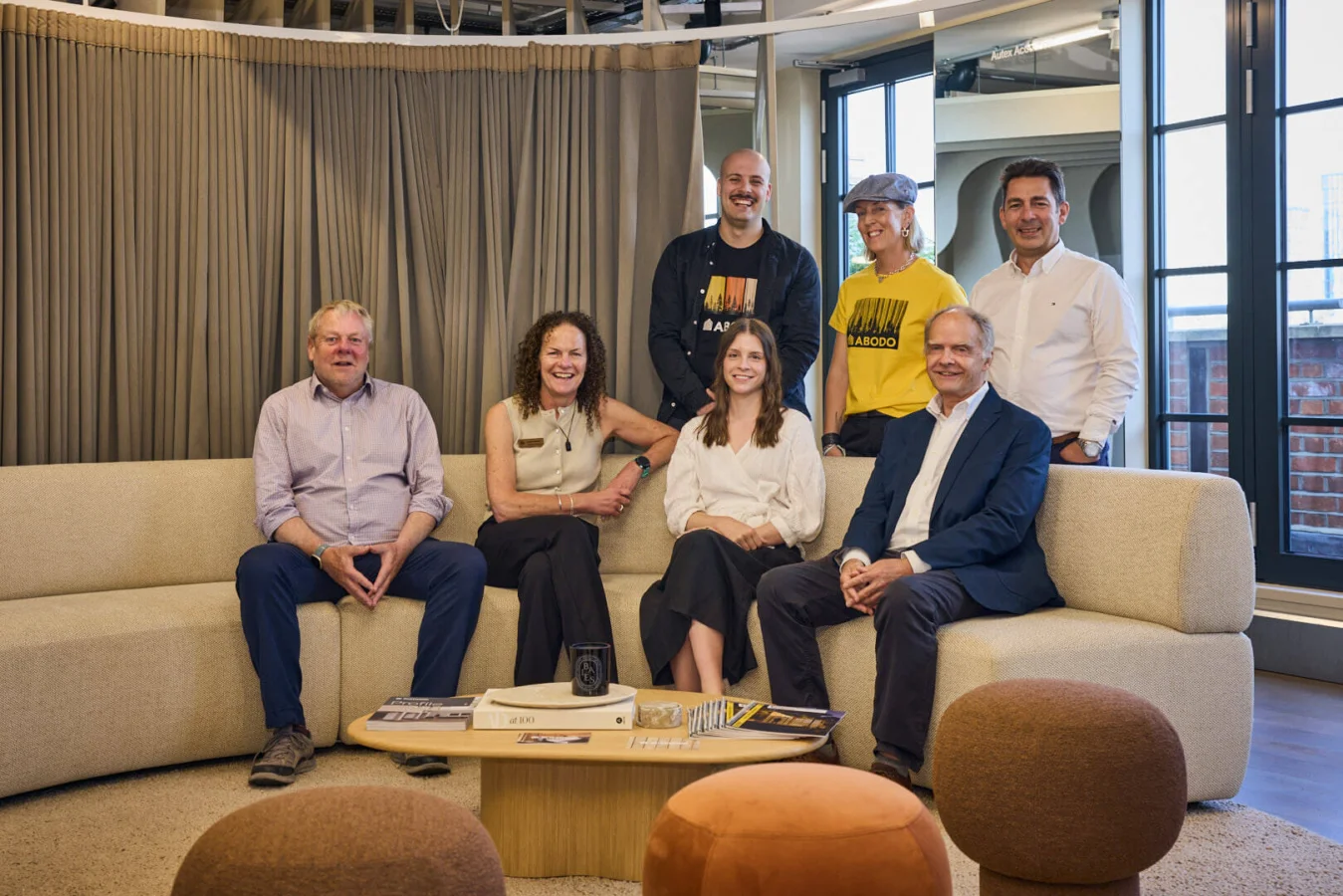
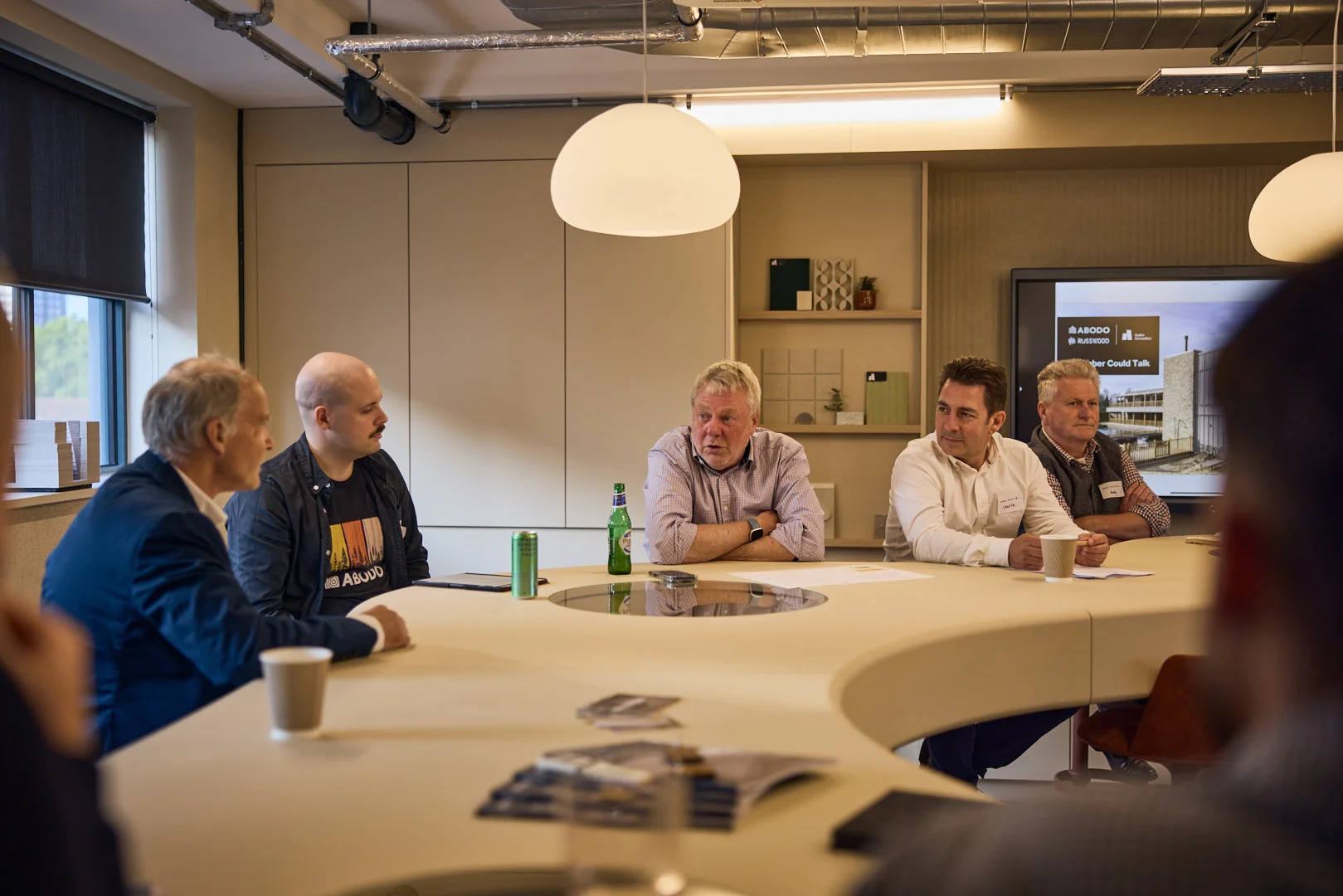
A heartfelt thank you to our panellists—Andrew Sharkey (FSC UK), Charlie Law (Timber Development UK), David Morley (David Morley Architects), and Lewis Marshall (Abodo Wood)—for their thought-provoking insights, and to our moderator Simon Corbey for expertly steering the discussion.
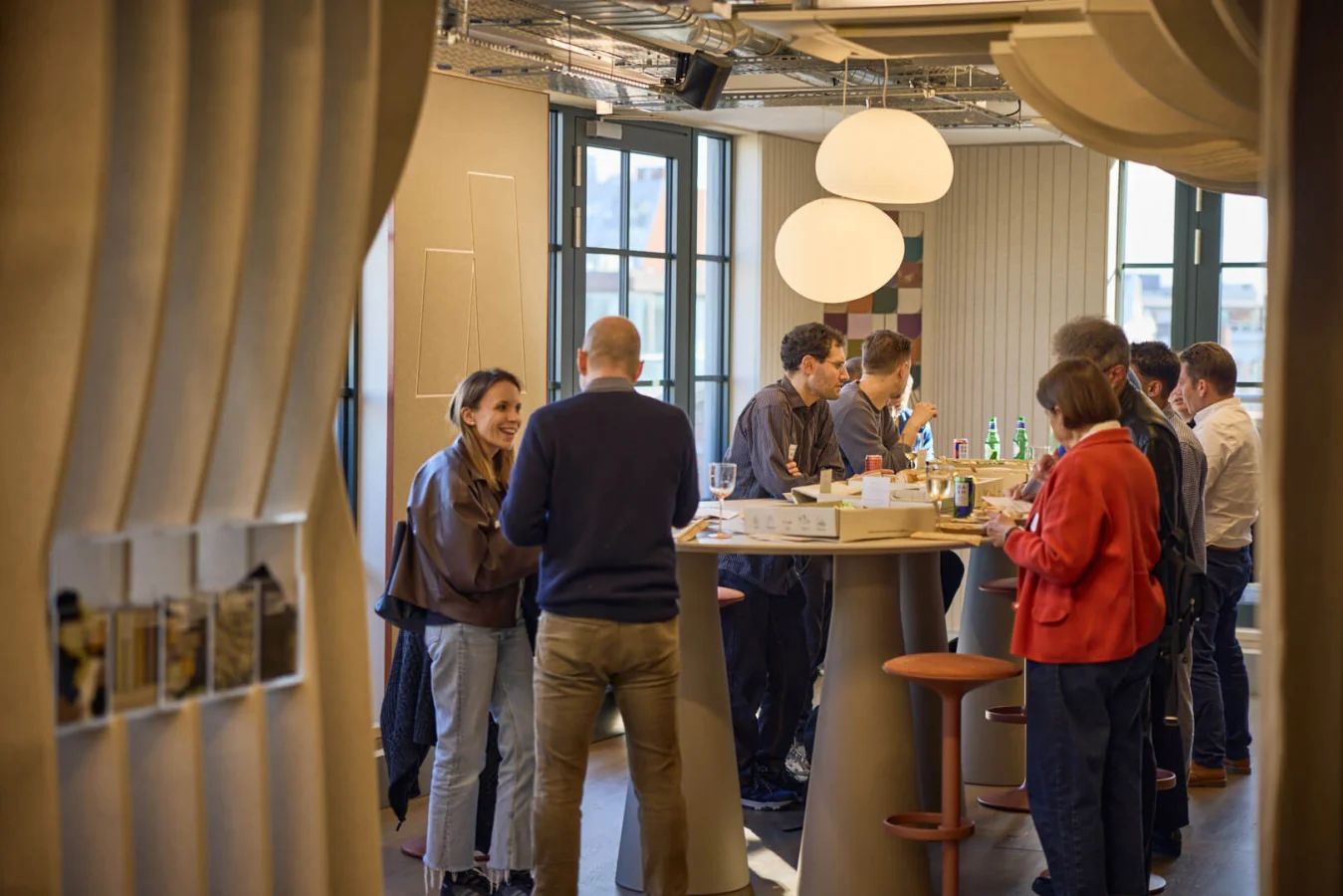
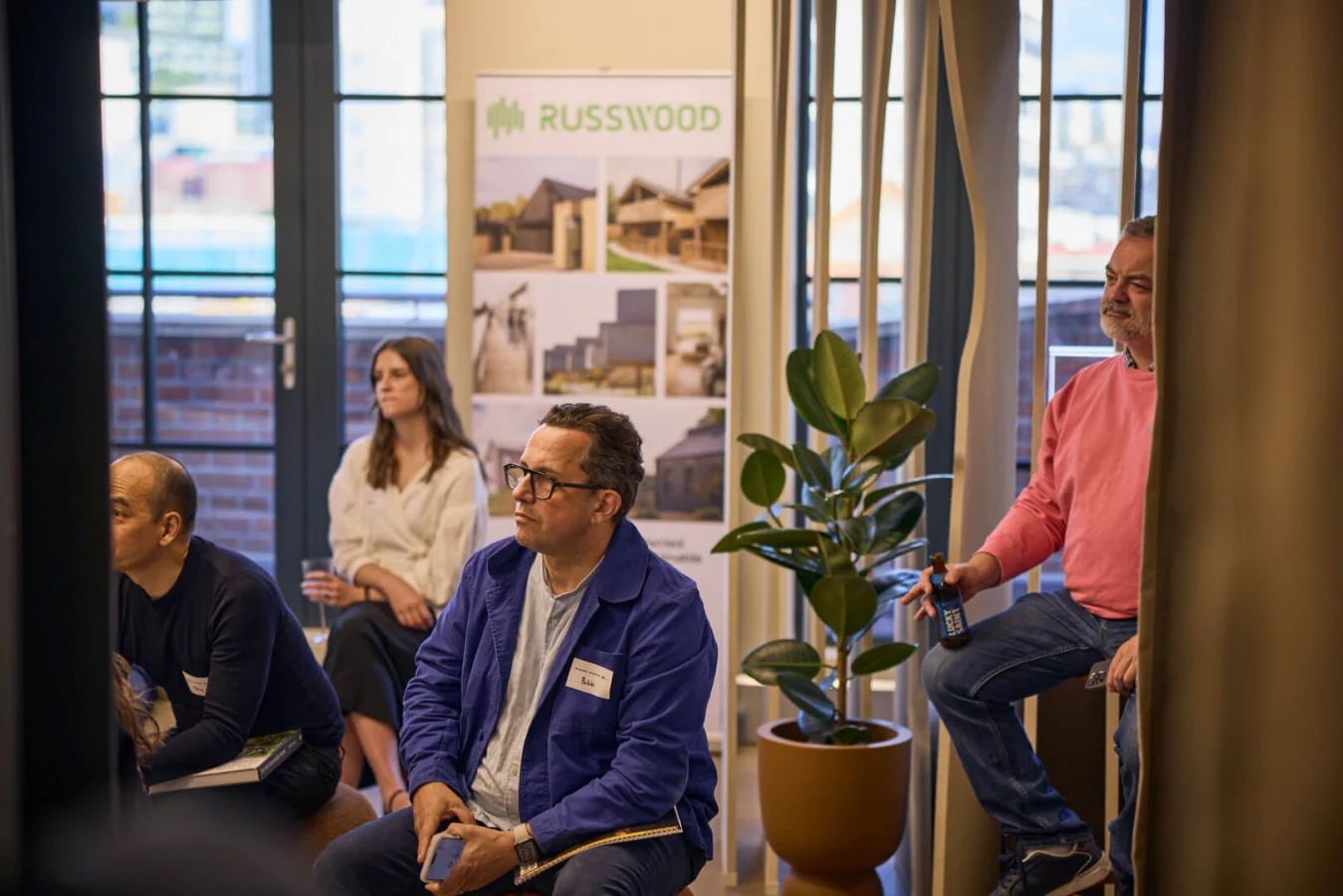
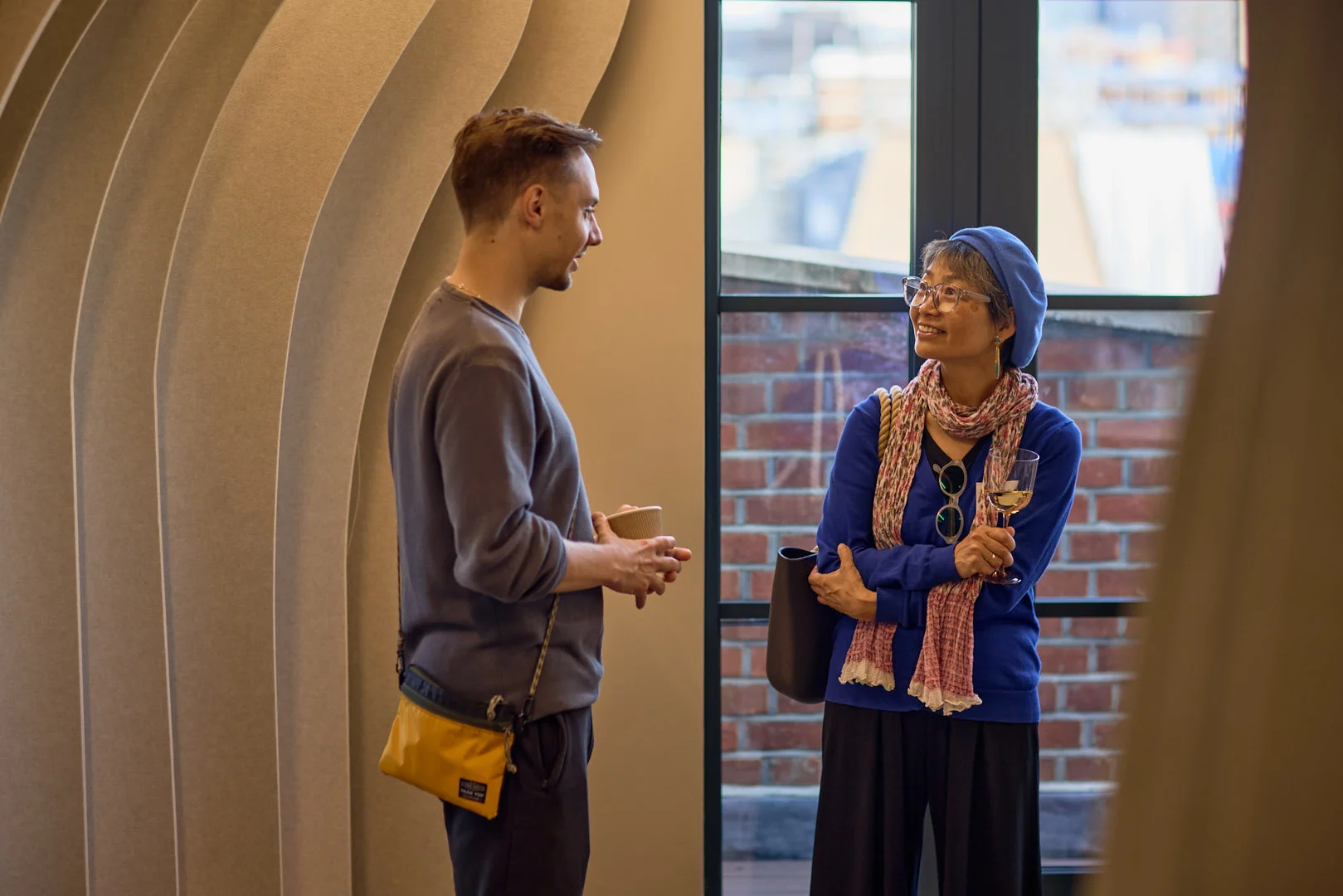
We’re also grateful to Autex Acoustics for hosting us in their London showroom, and to all who attended and contributed to a rich, forward-looking conversation.
Final Thought: If Timber Could Talk…
…It would remind us to listen—to forests, to the planet, and to the centuries-old wisdom embedded in this extraordinary material.
Missed the event? Join the discussion online at asbp.org.uk, where you can sign up for upcoming webinars on:
15th July – Timber and the Circular Economy, featuring Charlie Law
1st July – Reduction Roadmap – The Denmark Embodied Carbon Story and Learnings for Part Z
Highlights Gallery