Timber in design: what we saw at Glasgow School of Art’s 2026 Postgraduate Degree Show

At Glasgow School of Art’s 2026 Postgraduate Degree Show, there was lots of timber used as furniture, structure and surface. In other projects, wood was used alongside materials like bamboo, rattan and ceramics, chosen as much for where they came from and the culture they carried as for how they looked.
Across the show, students used timber in relation to domestic life, construction and cultural identity. It was interesting to see wood considered beyond sustainability – as something that could carry practical, cultural and spatial meaning as well. One of the projects that stood out most was Sacred, Spirits, and Spaces by Maxine Merryll Panlilio.
Sacred, spirits, and spaces
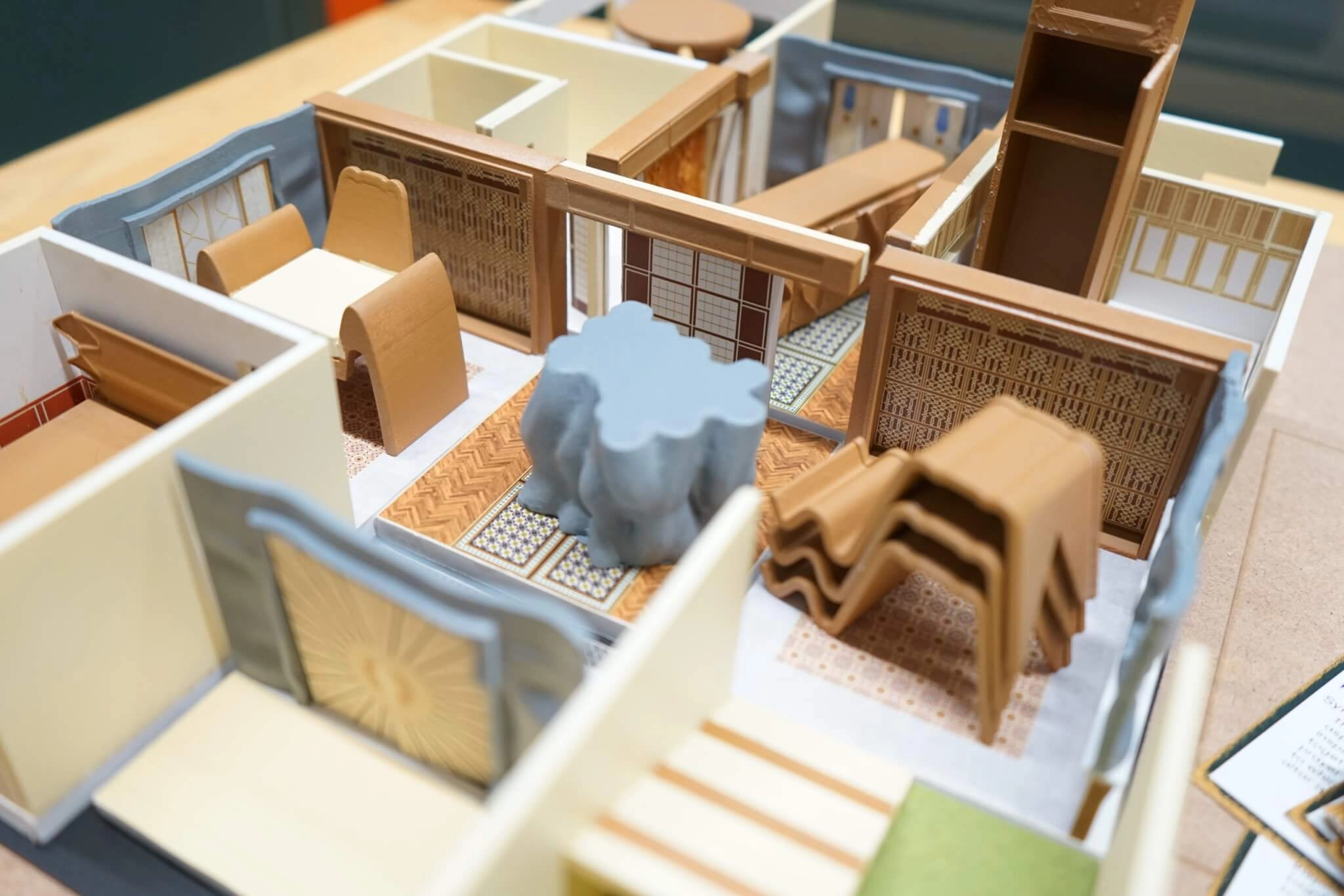
Panlilio is an architect from the Philippines, and her project looks at Filipino superstition, religion and domestic life in Metro Manila. The project explores how inherited beliefs and cultural practices can influence the way a home is designed. Instead of using Filipino references mainly through decoration, furniture or surface treatments, Panlilio looks at how these ideas can affect the organisation of the space too. This includes orientation, thresholds, adjacency, form and material choice.
Wood is used throughout the project in different ways. The material palette includes guijo, gmelina and Philippine mahogany, alongside rattan, flattened bamboo panelling and patterned Machuca tiles. These materials give the interior a strong sense of place and culture, which was one of the things that made the project so compelling.
Timber is often discussed in design through warmth, texture or sustainability, but different woods also come from different places. Species have their own colours, grain patterns, densities and working properties, as well as histories of forestry, craft and construction. Panlilio’s use of Philippine timbers makes that much more visible. The wood is part of a wider study of Filipino design and domestic culture, as well as making the space feel natural.

How belief influences the space
The same thinking runs through the architectural details. The staircase follows Oro-Plata-Mata, a Filipino belief where stair treads are counted in a repeated sequence of gold, silver and death. A landing should not end on Mata (death/misfortune).
The dining area develops forms from the names of the precolonial Tagalog deities Lakapati and Mapulon, while a bedroom door handle is based on pananggalang, the Tagalog word for shield.
The materials are part of the same thinking. Guijo, gmelina, Philippine mahogany, bamboo and rattan sit within a home that has already been organised around Filipino beliefs and domestic practices. That gives the timber more meaning than if it had been added later as a finish – it’s a clear demonstration of how wood can be tied to place and culture.

Timber as part of a system
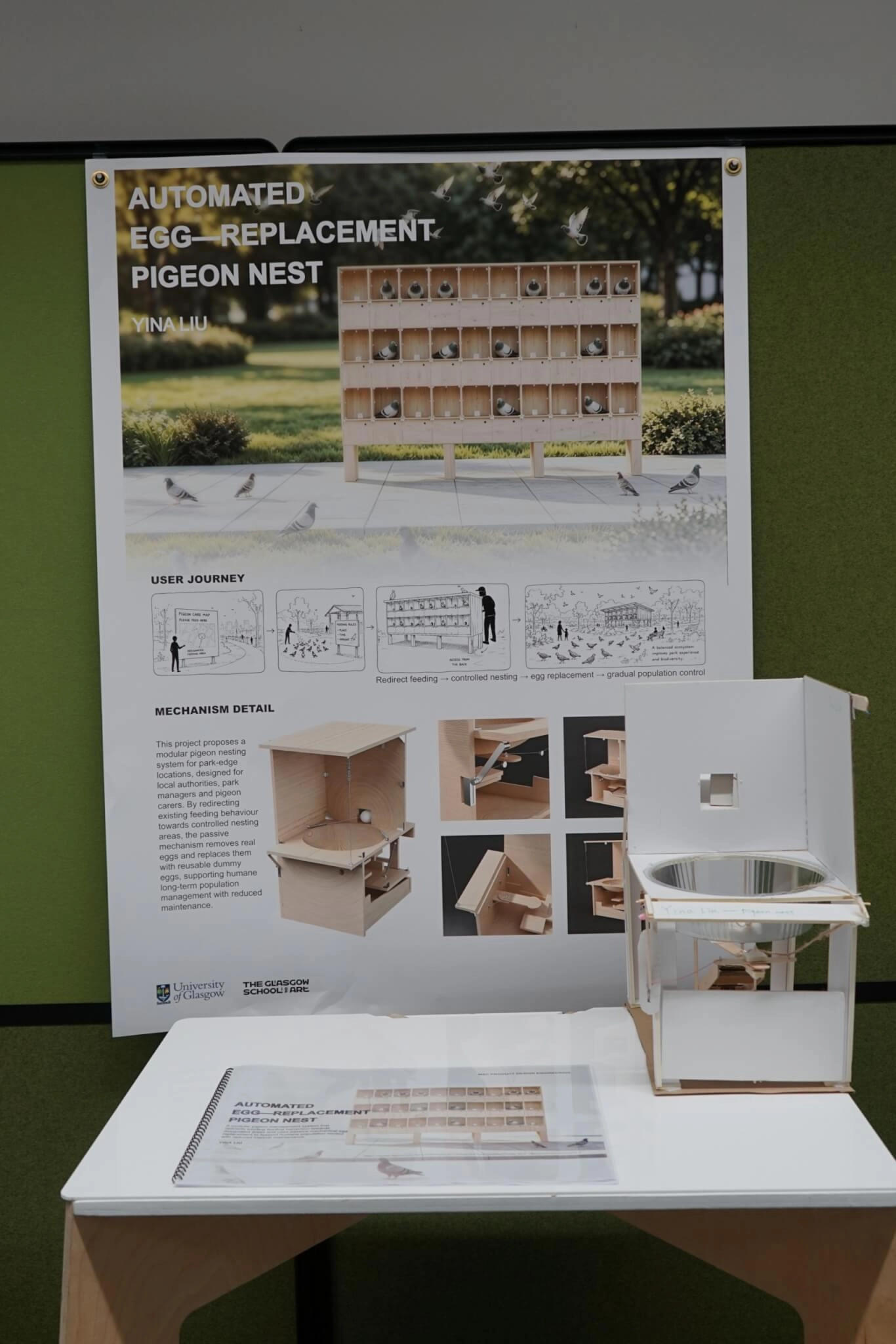
Wood was being used very differently in Yina Liu’s Automated Egg-Replacement Pigeon Nest. The project looks at how pigeon populations could be managed more humanely in cities.
Liu created a nesting system where real eggs could be replaced with reusable dummy eggs, instead of a design which repels the pigeons. The aim is to manage population growth while giving pigeons somewhere to nest.
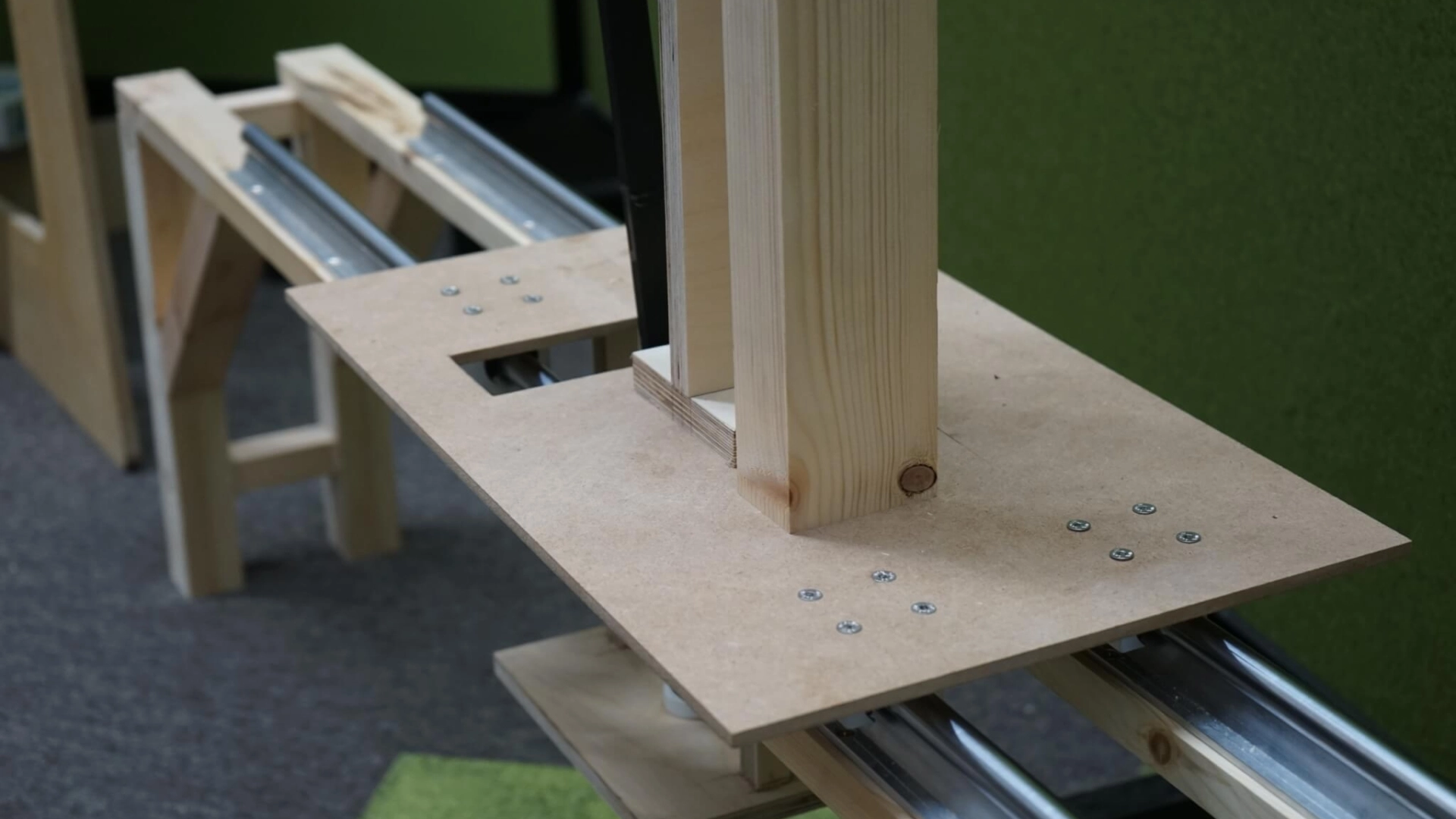
The structure uses repeated wooden compartments around the mechanism. Here, timber has a much more practical role. The repeated sections make the nest feel like a small timber structure, with each bay forming an individual enclosure. It is a simple example of how wood can work as part of a wider construction system.
Different ways of using timber
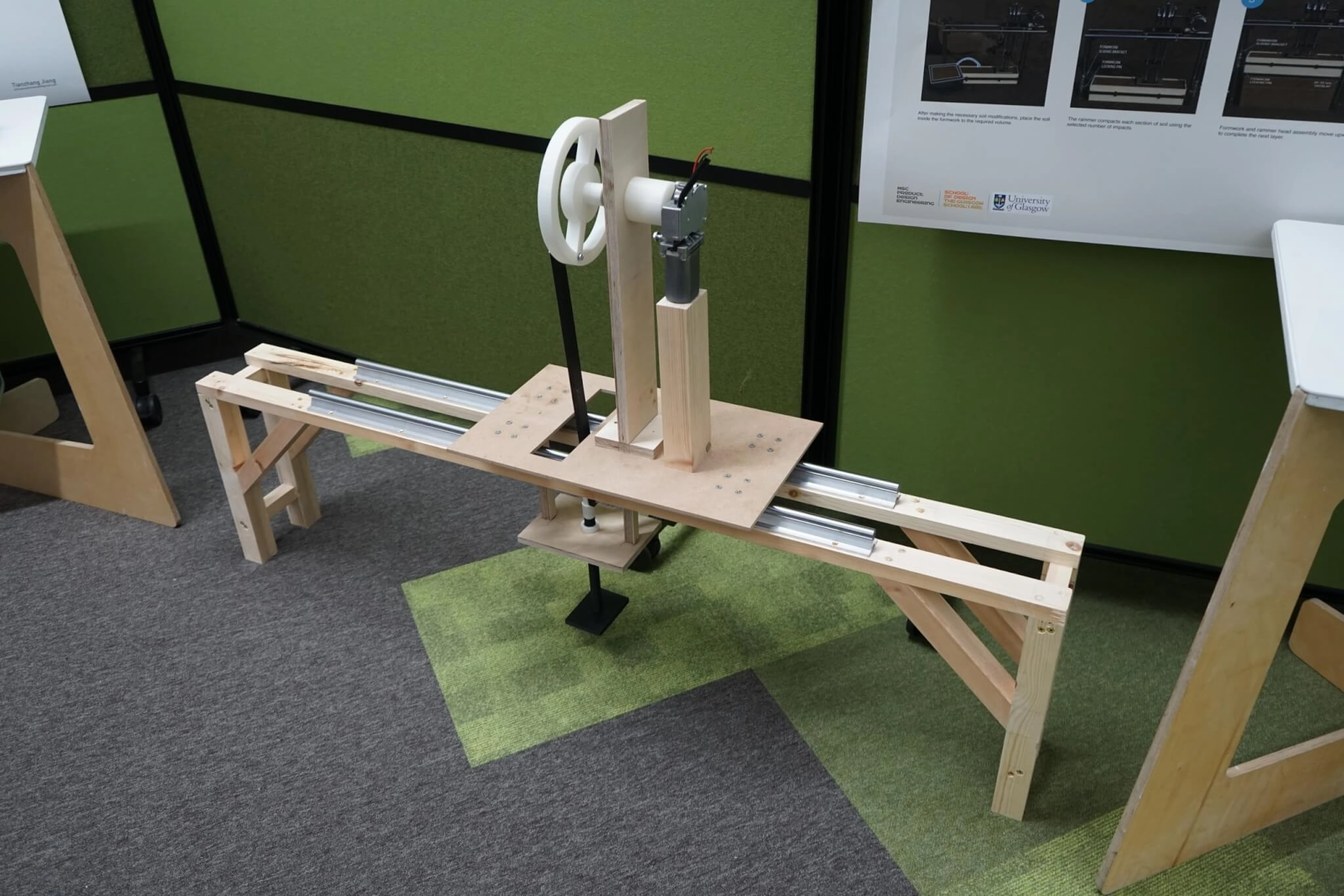
Across the show, wood was used in lots of different ways. Sometimes it was part of the main structure. In other projects, it was used for furniture, surfaces, enclosures or smaller construction elements. The variety is close to how timber works in architecture more generally.
A timber floor is being asked to do something very different from external timber cladding, while timber decking has its own requirements again. Species, board profile, grain orientation, moisture movement, finish and fixing method can all affect how timber looks and performs.
At Russwood, a lot of our work starts with understanding those differences. Choosing the right timber therefore means understanding where it will be used, how it will weather, how it needs to be detailed and what will be asked of it over time. The GSA show looked at some of those same questions from a different angle.

Wood and place
Panlilio’s project stood out most because the woods she selected felt very specific to the place and culture she was working with. Guijo, gmelina and Philippine mahogany sit alongside bamboo, rattan, ceramic pattern and domestic ritual. The materials make sense because they belong to the wider idea of the project. It was useful in seeing timber discussed this way. In architecture, it is easy to talk about wood mainly in terms of performance, carbon or appearance – but timber also has a geography, coming from particular landscapes and connected to histories of forestry, trade, craft and local building traditions. That affects how we understand it.
Timber-first design
Russwood’s purpose is to inspire and enable timber-first design. That means helping architects, designers, contractors and self-builders consider timber early in a project, from species and finishes to profiles and fixing systems.
The work at Glasgow School of Art showed a similar approach. In Sacred, Spirits, and Spaces, timber was connected to Filipino culture, domestic life and place. In the Automated Egg-Replacement Pigeon Nest, it formed part of a repeatable construction system. The projects used wood very differently, but in both cases the material was part of the thinking from the beginning.
That’s what makes timber such a useful material to design with – it can be structural and sculptural, practical and symbolic, sometimes all at once. Shows like this are a good reminder of just how much timber has to offer architecture and design.




Get in touch
If you’re interested in specifying sustainable timber, get in touch with us using our contact form, or give us a call.