Preserving the past, embracing the future
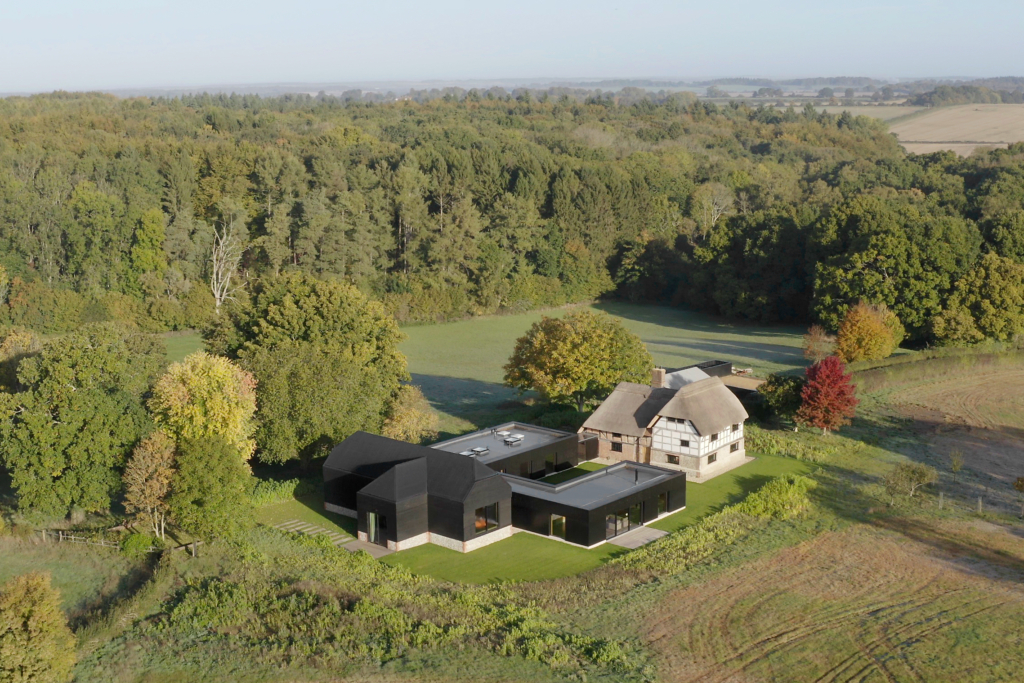
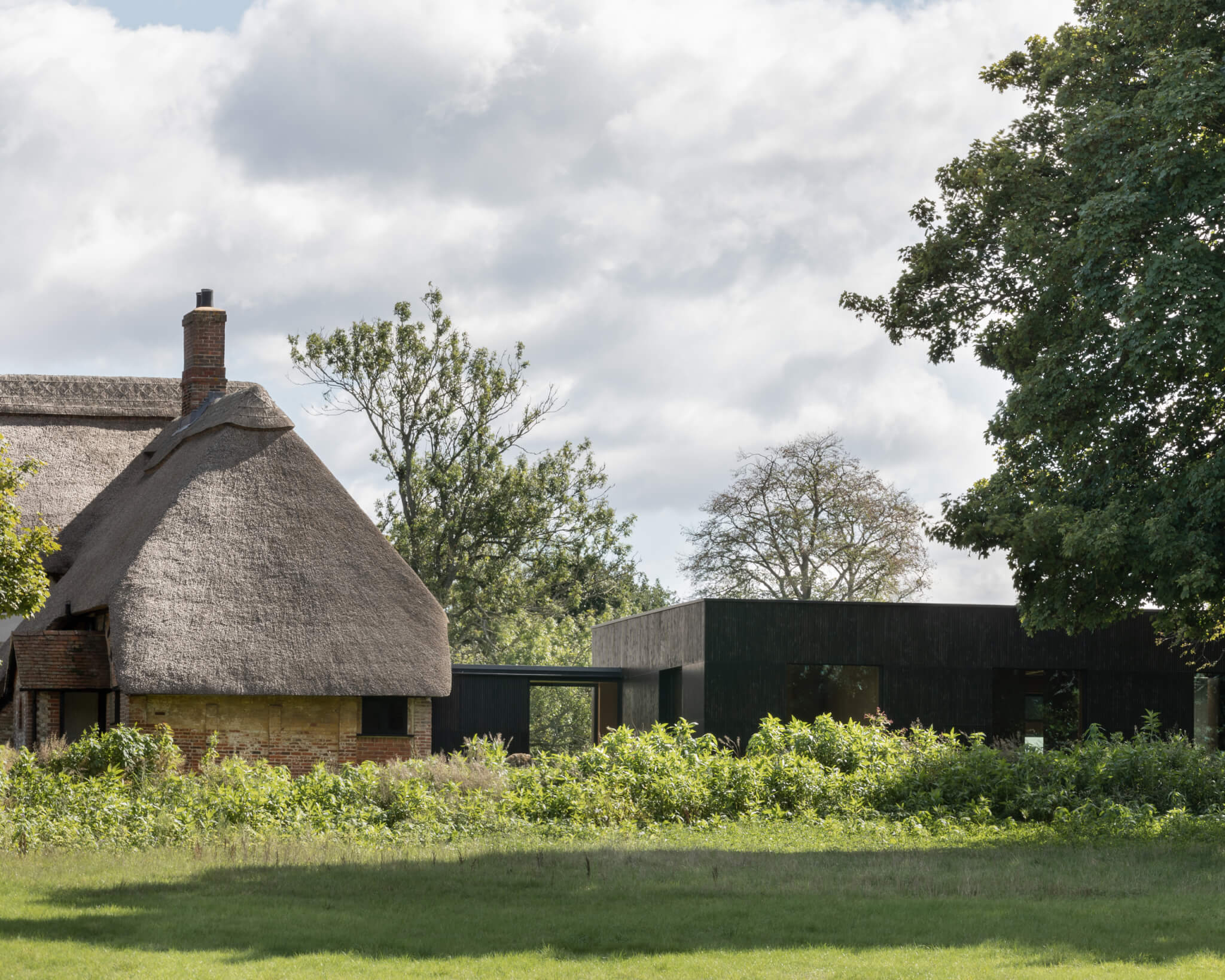
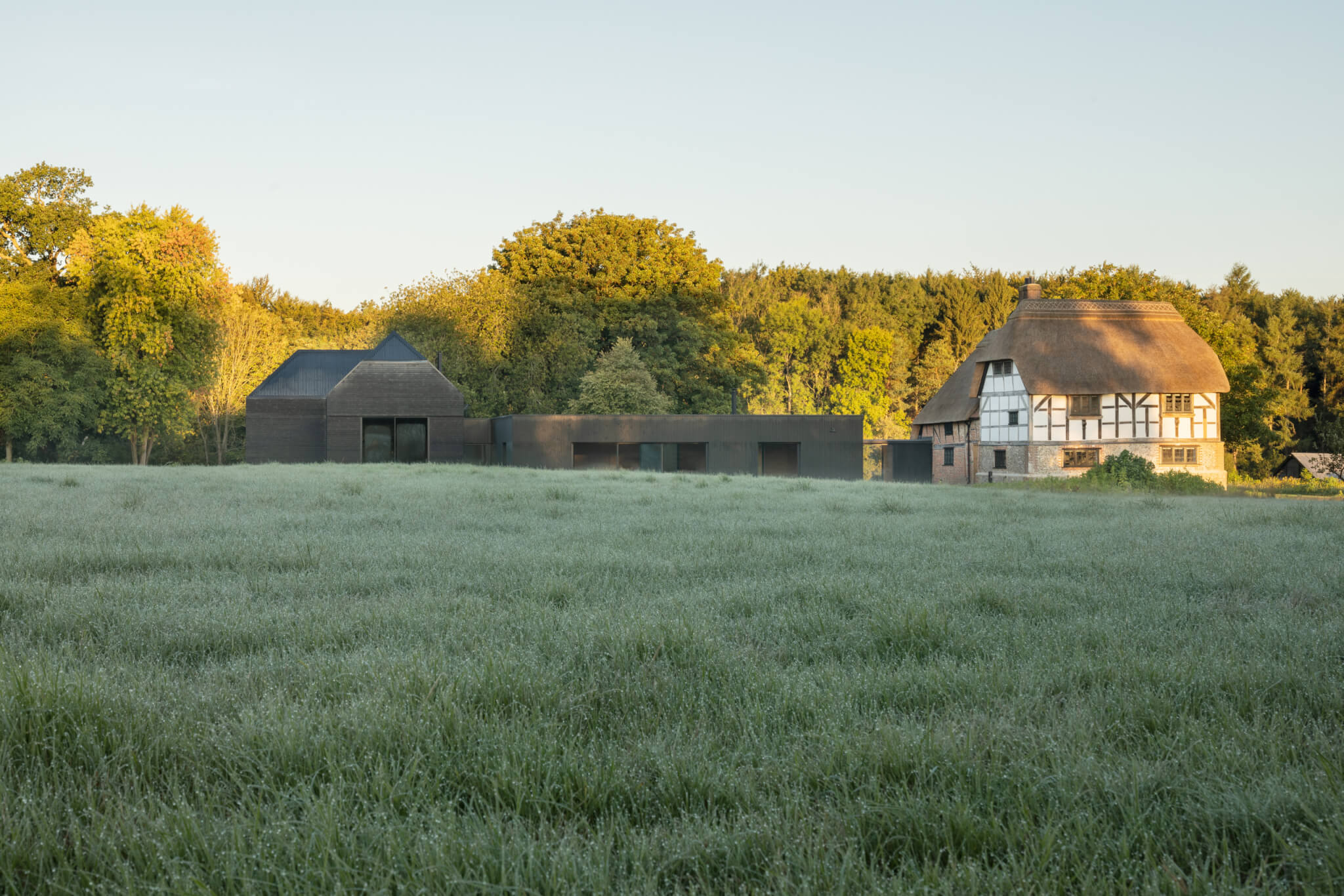
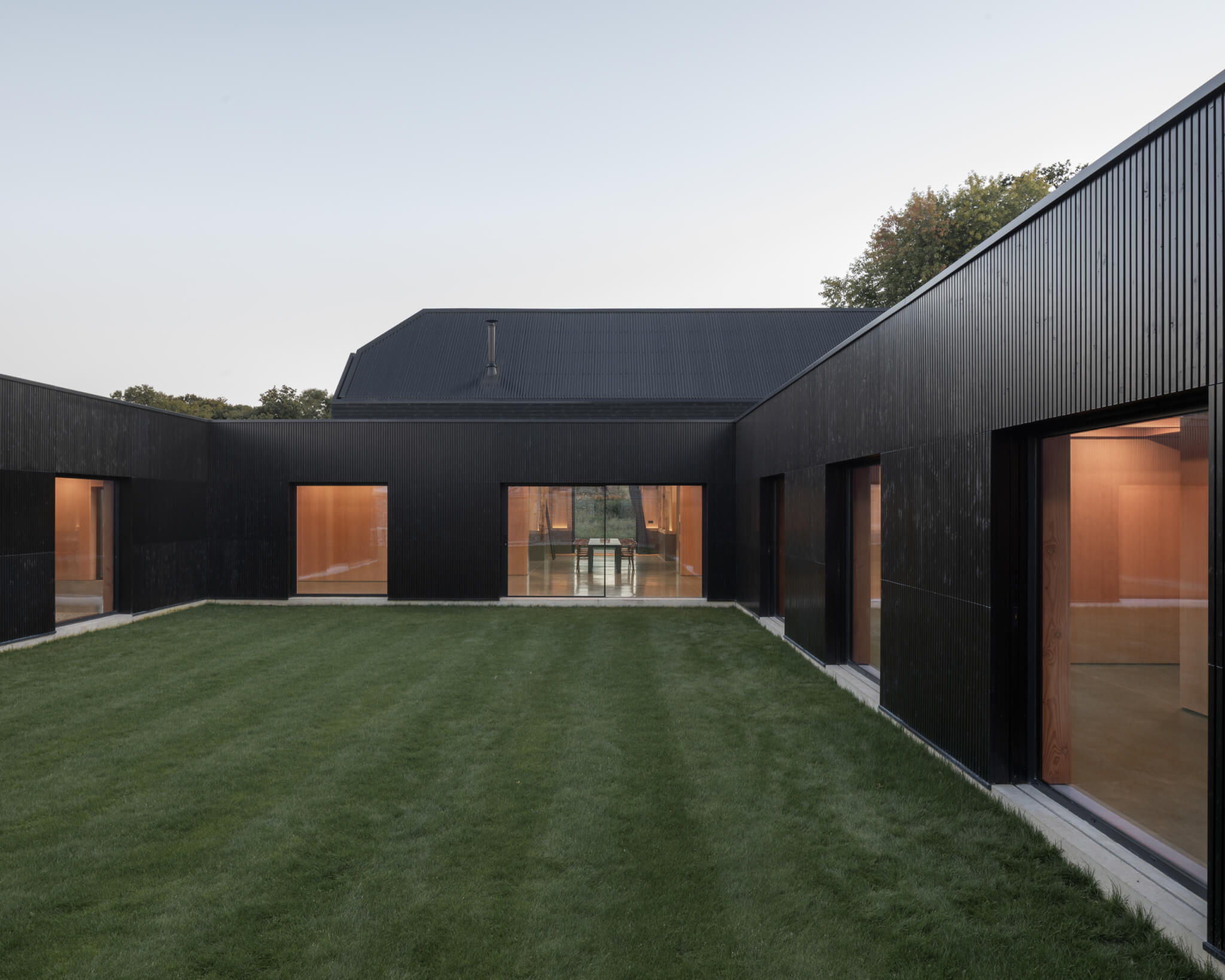
Travel down a long track and up a small hill in the South Downs National Park, near the beautiful Georgian town of Alresford, and you may be lucky enough to come across Black House Farm. For 400 years, this Grade II-listed farmhouse and, more recently, its neighbouring barn, have sat among lush woodlands and farmland. Now, the two are joined for life in a stunning reinterpretation of a farm courtyard.
A rightfully award-winning property
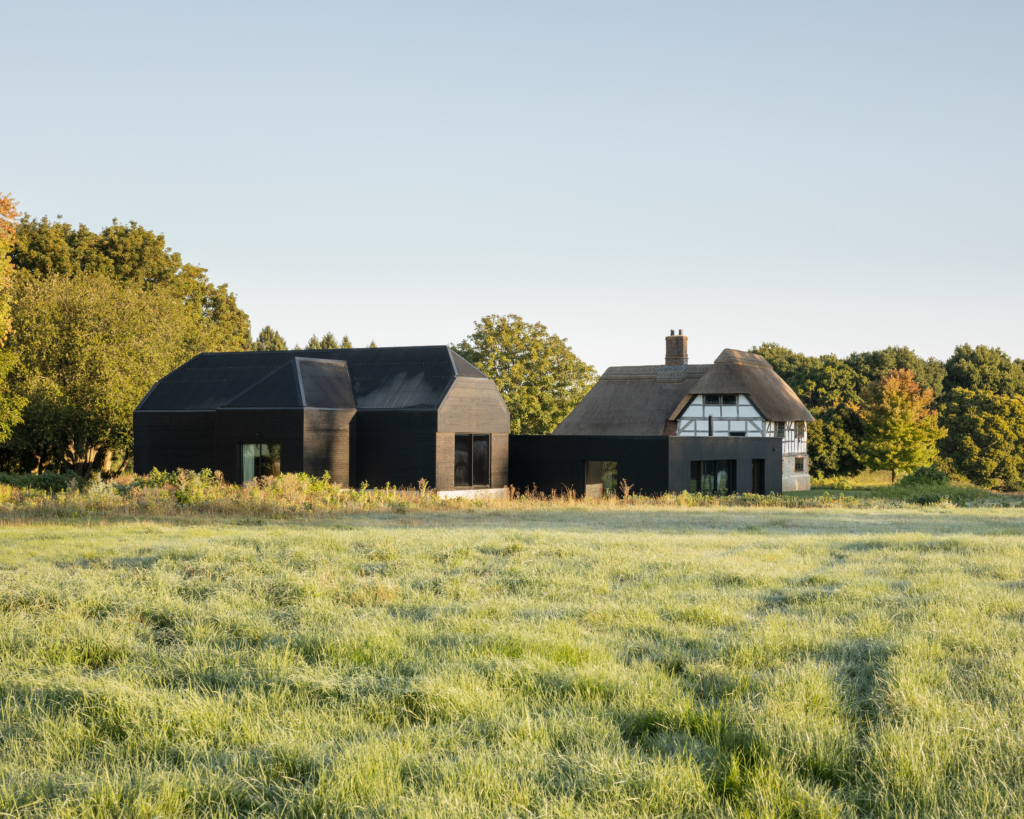
With its seven bedrooms, 740 sqm floor area and inspired mix of old and new, this is a truly spectacular home. The property was shortlisted for the 2023 Manser Medal, awarded to the Architects’ Journal House of the Year, as well as the RIBA Awards 2024. Black House Farm also gained a High Commendation in the 2023 Wood Awards.
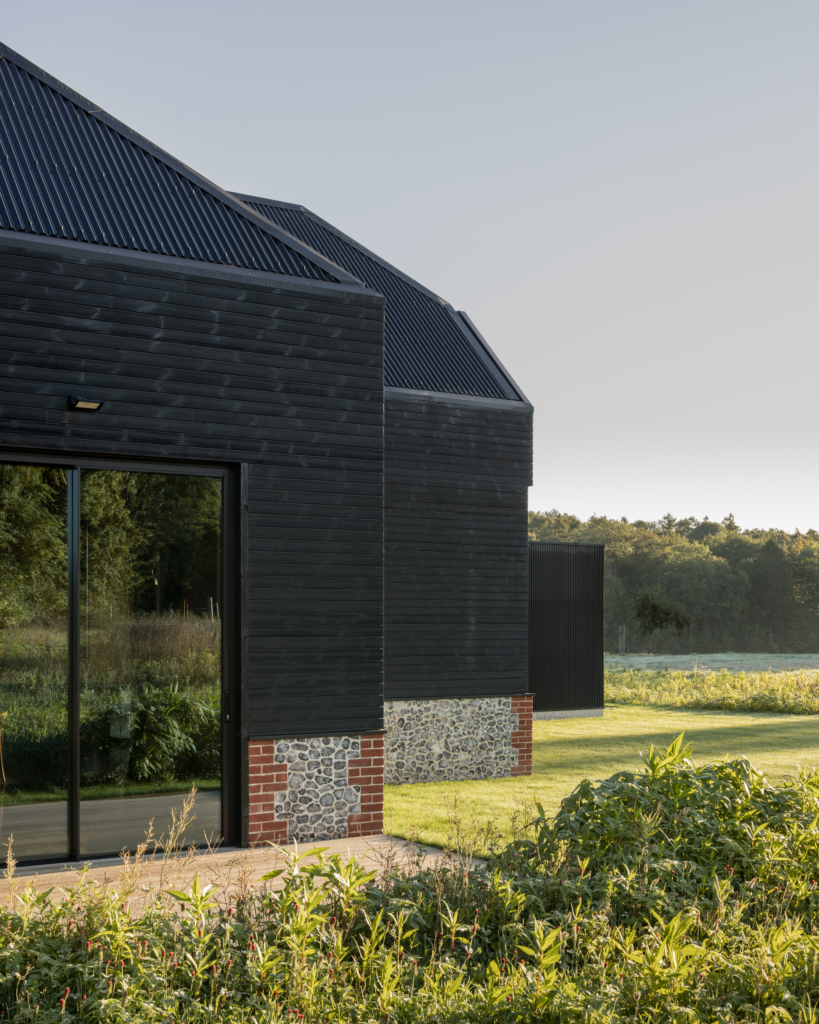
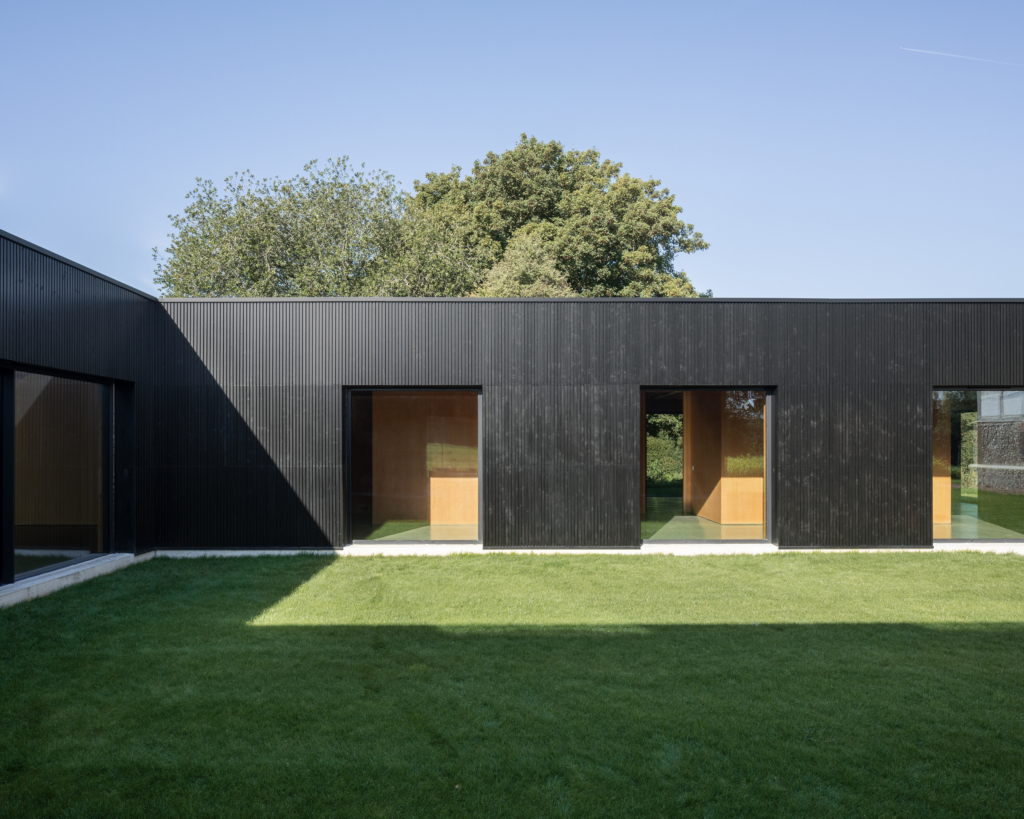
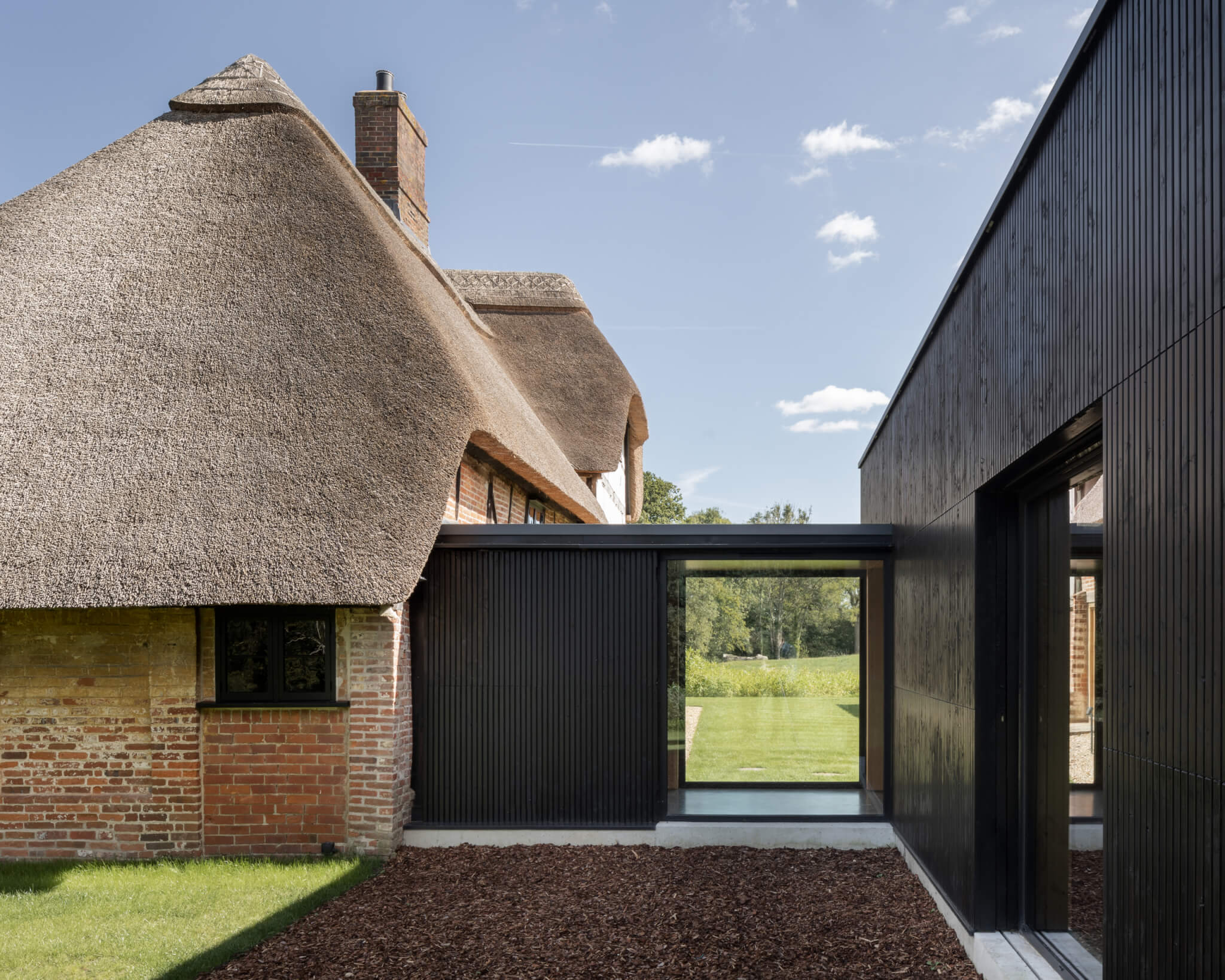
Wood is everywhere, from the structure to the internal linings. Russwood cladding is a major element of the two contemporary structures, the barn and a brand-new linking corridor. In deliberate contrast to the 17th-century house — which is dressed in a mix of flint wall, oak frame, red brick and thatched roof — these are both black.
A lesson in retrofitting
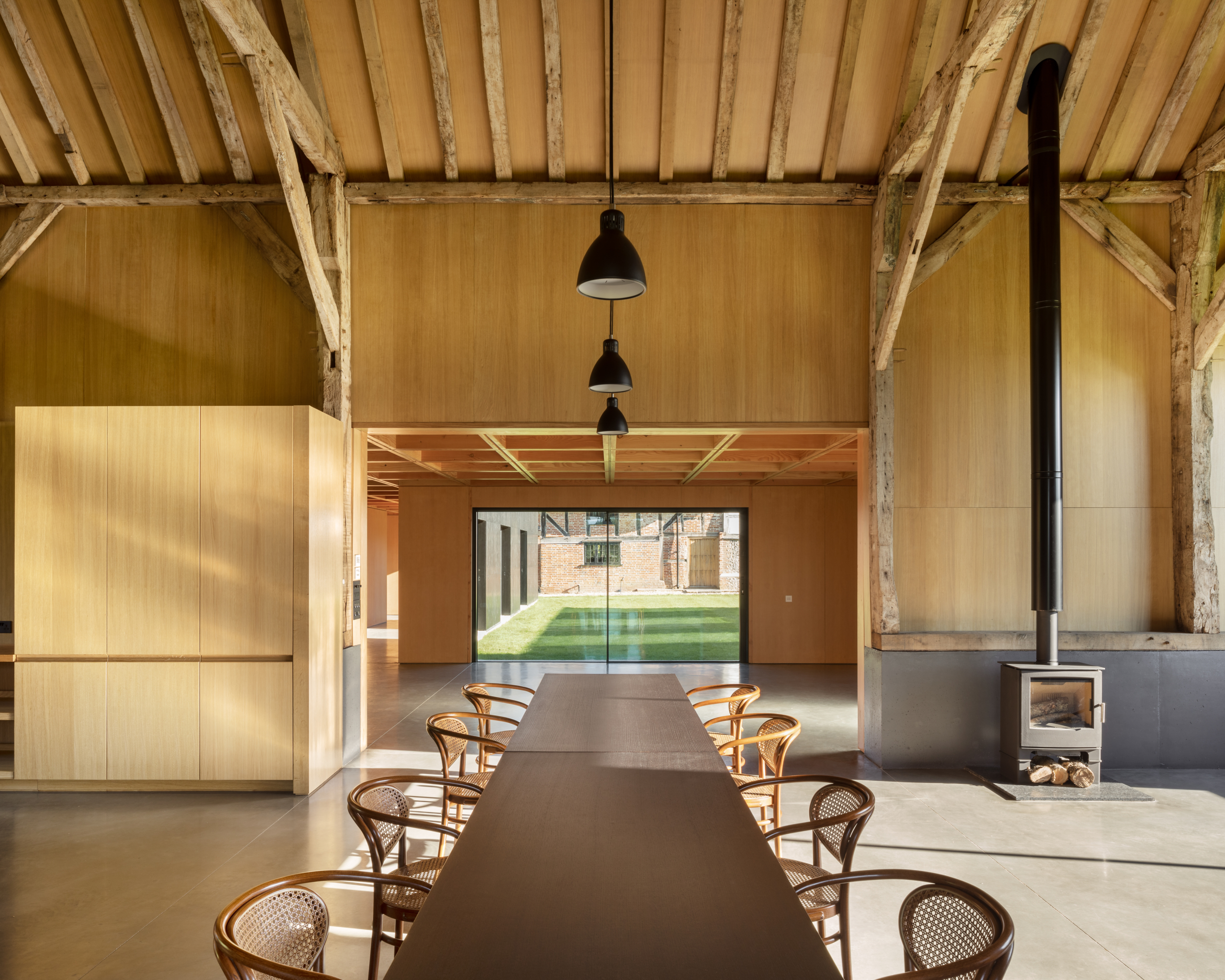
This project was about as far from a ‘knock down and start again’ approach as you can get. The client, Dragon Street Investments (owned by celebrated architect Nadim Khattar), appointed Robin Lee Architecture to mastermind the renovation. Together, they decided to carefully restore as many salvageable elements of the original structures as possible. In the barn, the old oak frames are proudly displayed alongside new oak components.
With little remaining except the frame, Robin Lee Architecture was able to reconstruct the barn for contemporary living. The form and size reveal its history, while huge windows and doors, plus flush detailing, give it a modern spin. This part of the build is now home to a double-height kitchen and living area – or more accurately, a series of wide spaces that are open to interpretation by the occupant. The contrasting single-storey corridor frames the courtyard and leads to the original house, which contains the bedrooms and the majority of the bathrooms.
The Russwood products offered a high level of accuracy and stability, not always associated with natural materials, which suited the design ethos and desire for a long-lasting product that would require minimal maintenance and retain a precise appearance over time.
Robin Lee, Architect and Project Director
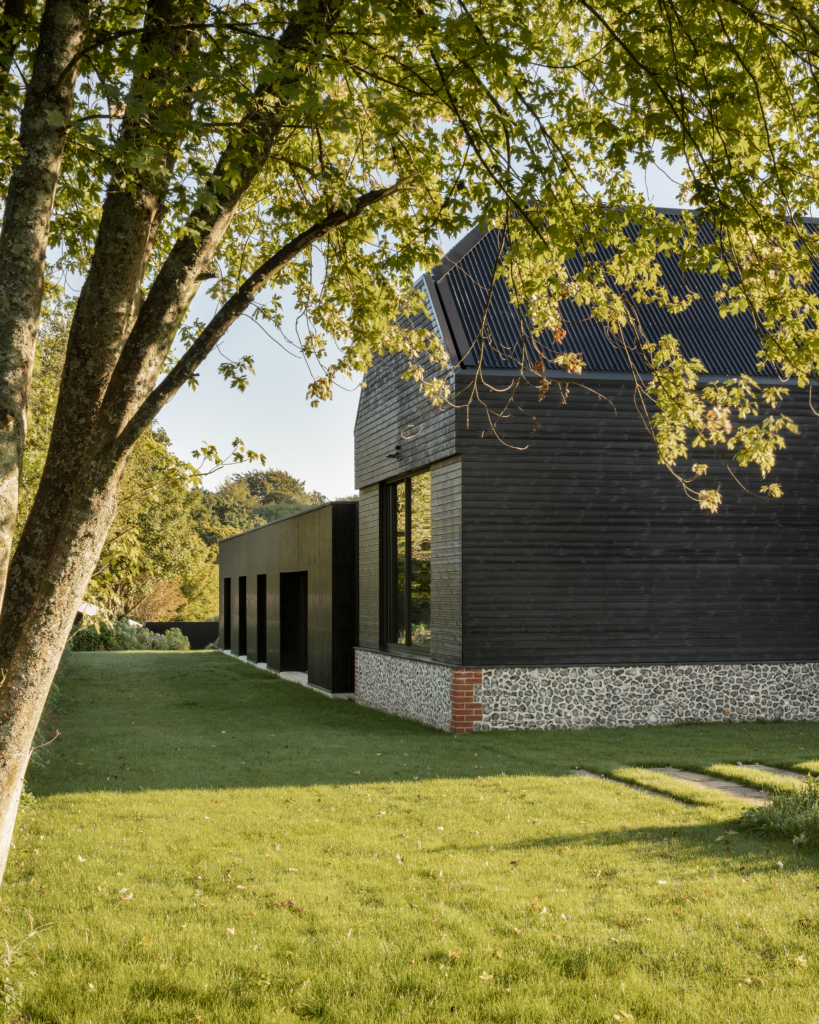
The mid-19th century barn is reborn
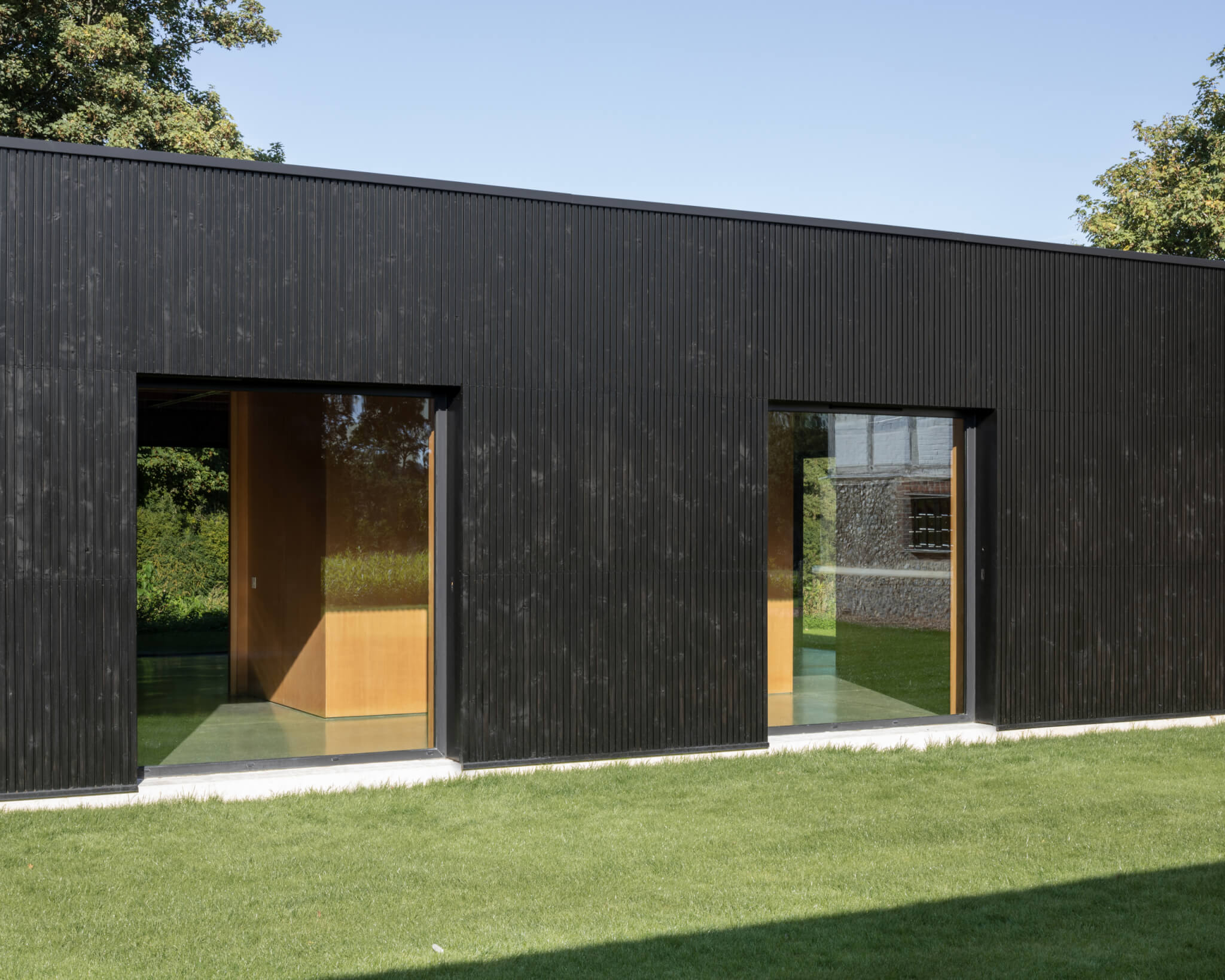
The architect selected our brushed Thermopine® cladding for the barn, giving a nod to traditional threshing barns of the region by lapping the boards horizontally. The boards were coated black, a look that can be achieved using factory-applied Woca oil.
Woca oil is a cutting-edge, water-based coating with a matte finish which highlights timber’s natural beauty. It penetrates deep into the wood fibres, offering protection against the elements. Combined with wire-brushed Thermopine, it gives a beautiful texture to the wood. Woca oil is ideal for use with modified timber such as Thermopine, as the cladding’s thermal treatment makes it more stable and resins within the wood have been virtually eliminated.
Specifier Tip: We can apply Woca oil in-house in our production facilities, meaning the coated cladding arrives onsite fully finished.
A contrasting, contemporary corridor
The corridor block is formed with modular coffers made from structural grade Douglas Fir. These are bolted together with flat steel plates to create a wider-than-typical ceiling span and a sense of spaciousness between the house and the barn. Like with the barn, the architect chose to clad this section in black timber, keeping the new structures distinct from the historic farmhouse and allowing it to dominate. This time, Robin Lee Architecture selected the Luna Triple from our Lunawood Collection, laid vertically.
Lunawood is a resin-free timber made from the heartwood of Nordic pine and spruce. Since it’s thermally modified, there is significantly less swelling and shrinking compared to most unmodified species. Stability goes up: dimensional movement is reduced by up to 50%. This helps the cladding look better over time and the coatings to last longer. The Luna Triple delivers a uniform batten effect with a tongue-and-groove board, greatly reducing installation time compared to applying individual battens.
“Russwood secret-fix cladding profiles were selected to minimise expressed detailing so that the natural timber qualities would be prioritised,” says Robin Lee, founder of Robin Lee Architecture.
Preserving the past, embracing the future
The word unique is often overused, but it couldn’t be more fitting when it comes to Black House Farm. This building is a remarkable example of how skilled architects can combine a commitment to preservation with the innovative use of timber on a grand scale.
Project gallery

Learn more
A coloured finish which highlights the natural beauty of timber; Woca oil is a cutting-edge water based coating system for timber cladding.