Timber design trends we’ve predicted you’ll see more of in 2026
As 2026 begins, it’s a good time to look ahead at how timber continues to shape both architecture and interiors. We are seeing a growing focus on texture and more expressive design choices. For this blog, Zoë, our Marketing & Events Coordinator, spoke with members of our Architectural Liaison and Interior teams about patterns they’ve seen emerging from projects and conversations throughout 2025. Here are the timber design trends we predict you will see more of in the year ahead.
Table of Contents
- 1. Expressive colour in timber cladding
- 2. Lighter, landscape-led exteriors
- 3. Sharp profiles and architectural precision
- 4. Framing façades with fins and features
- 5. Darker, earthier interior palettes
- 6. Texture, pattern and crafted detail
- Looking ahead to 2026
- Have any of these timber design trends inspired you?
1. Expressive colour in timber cladding
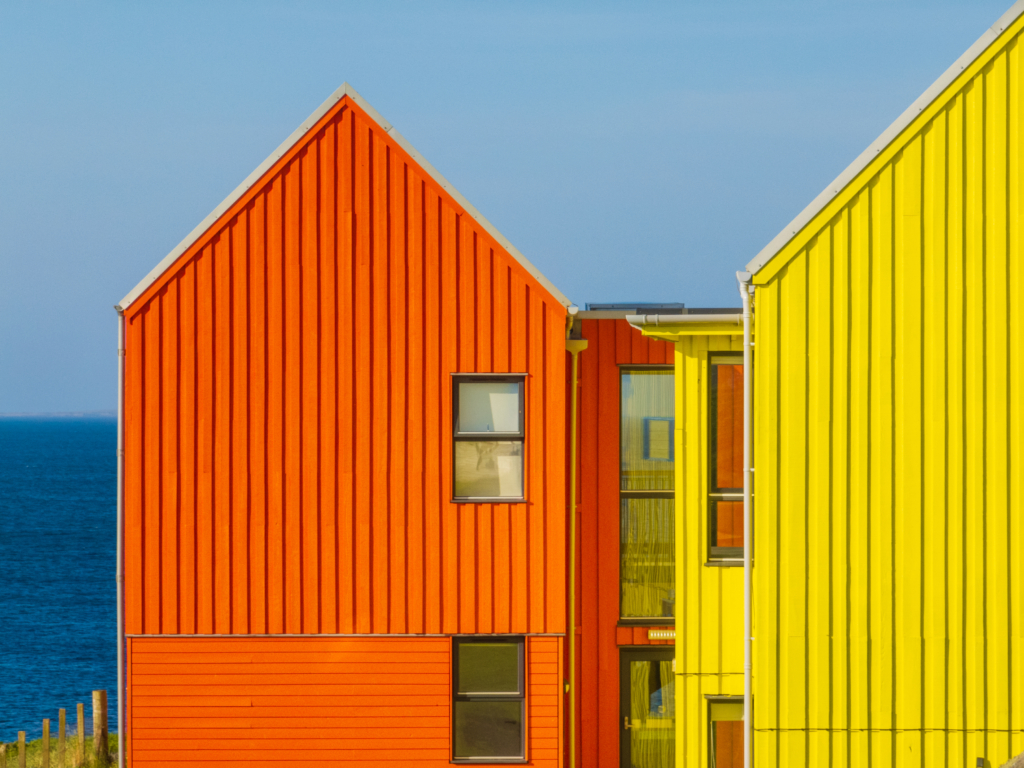
Our Architectural Liaison team has noticed a growing shift towards bold, expressive colour in timber cladding, a trend set to gain confidence in 2026.
Architects are beginning to introduce bolder colours such as reds, greens and even yellow tones to timber façades. Applied over wire-brushed boards, these finishes accentuate the timber’s natural grain while adding a playful, contemporary edge.
These brighter colours allow buildings to respond to the modern environment while celebrating a natural material – making it both a functional and visual statement.
Expert View
We’re seeing clients become more confident in using colour externally, particularly where timber’s natural texture still leads the design.Taylor Butler Architectural Liaison Technician
2. Lighter, landscape-led exteriors
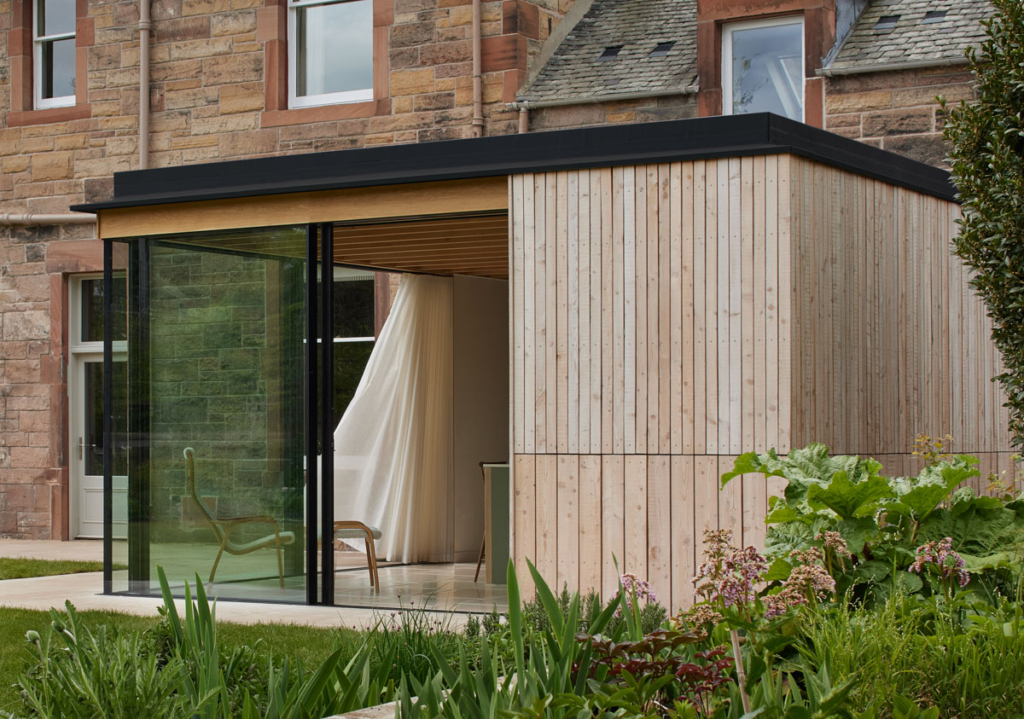
At the same time, there’s a noticeable move away from very dark exteriors, particularly black-stained cladding which has been very popular over the last few years. Moving more towards lighter, pale-toned finishes in straw, sand and soft grey hues.
These lighter palettes are increasingly used to create calm, harmonious buildings that respond sensitively to their surroundings. Whether through light-coloured oil systems or finishes such as SiOO:X Light Grey, this approach allows timber to weather gently and naturally over time.
The result is architecture that feels grounded, understated and closely connected to its environment.

3. Sharp profiles and architectural precision
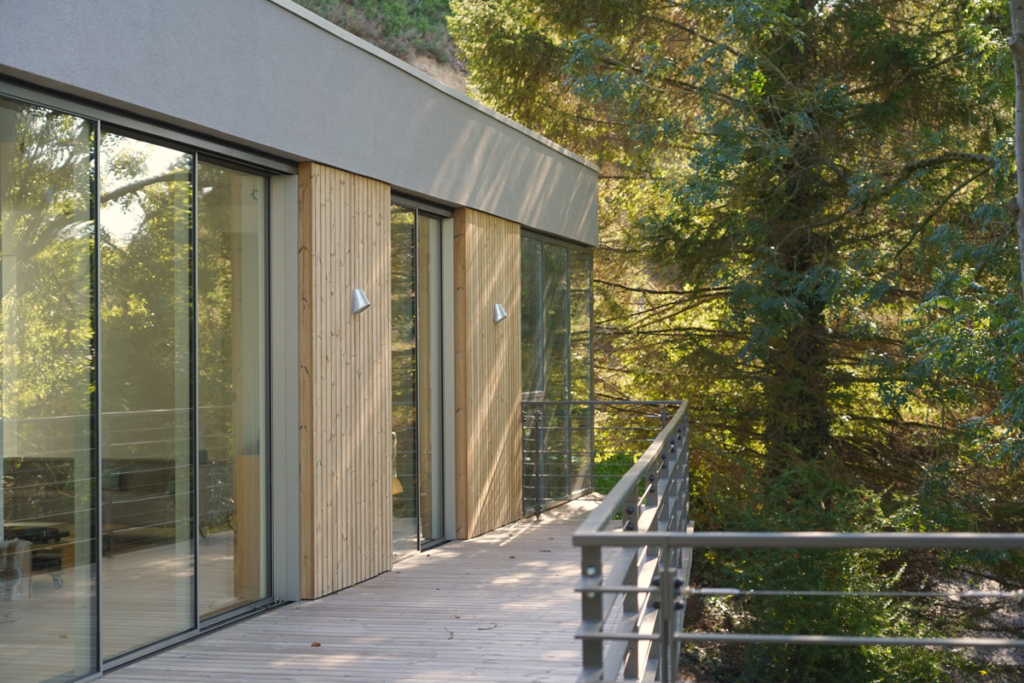
Straight-edge profiles continue to rise in popularity, offering clean lines and crisp detailing that suit contemporary architectural styles.
Feedback from architects suggests this sharp aesthetic is increasingly considered during early design stages – particularly where cladding transitions between materials or spaces. Straight-edge boards work equally well in open or closed rainscreen systems, providing flexibility without compromising visual clarity.
Products such as Scotlarch® in a square edged board, Architect Select® Larch in a RW082 profile, Abodo® Vulcan Vertical Grain in a RW165 profile and the Luna Panel System allow designers to achieve this refined look across a wide range of species.
4. Framing façades with fins and features
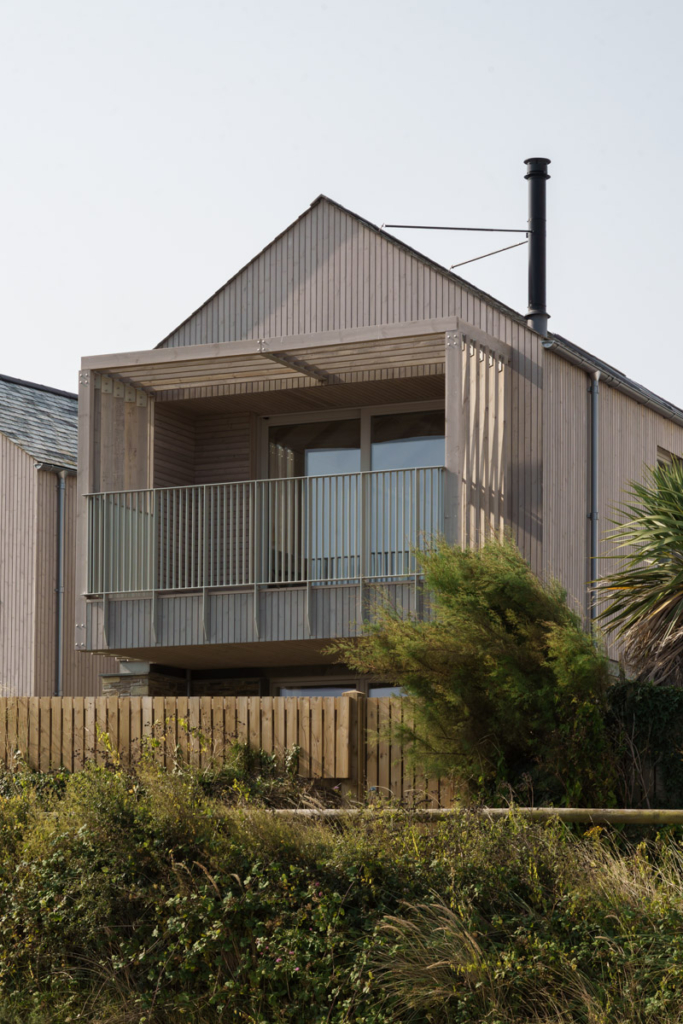
Another exterior trend set to carry into 2026 is the use of timber as a framing and feature element, rather than solely as surface cladding.
Vertical fins, horizontal framing sections and feature panels are increasingly used to define entrances, articulate façades and add depth to elevations. Square-edge boards are particularly effective here for crisp detailing, with chamfered edges recommended on horizontal elements to encourage water run-off.
Fixing systems such as Russwood FinFix® and SIHGA LamellenFix are also making it easier to introduce larger-format timber elements using discreet, secret-fix solutions; combining strong visual impact with robust performance.
5. Darker, earthier interior palettes
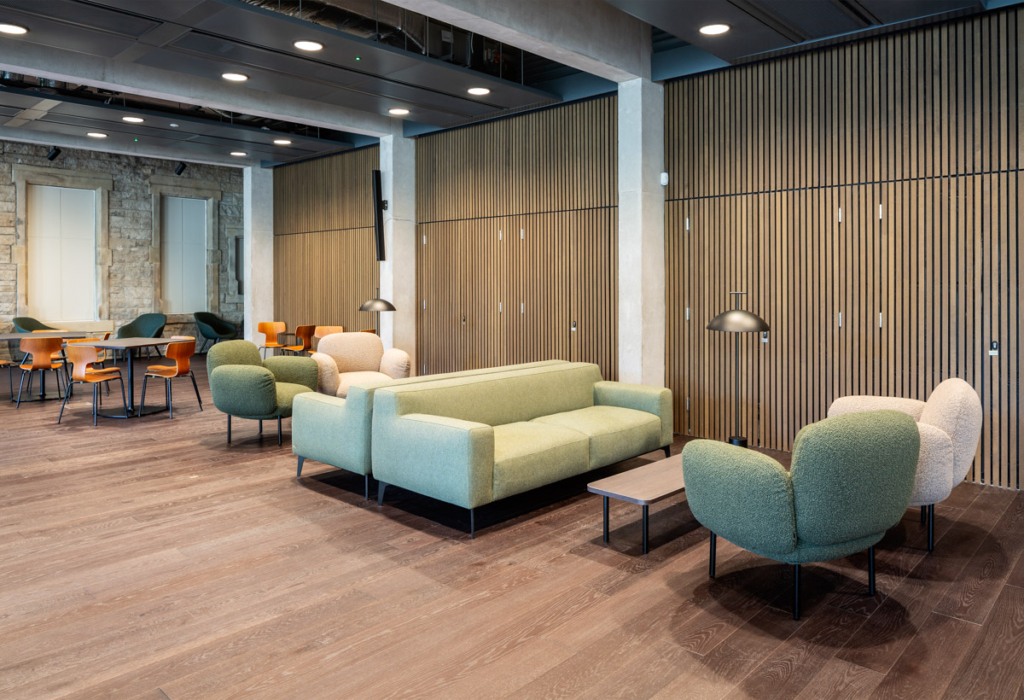
For interiors, our team predicts a continued shift towards darker toned timber flooring. Rich colours, natural warmth and deeper finishes are increasingly favoured over the pale whites and cool greys of recent years.
This approach creates spaces that feel inviting, grounded and timeless, as seen in projects such as the Edinburgh Futures Institute, where our European Oak flooring in Cinder plays a central role in anchoring contemporary design.
6. Texture, pattern and crafted detail
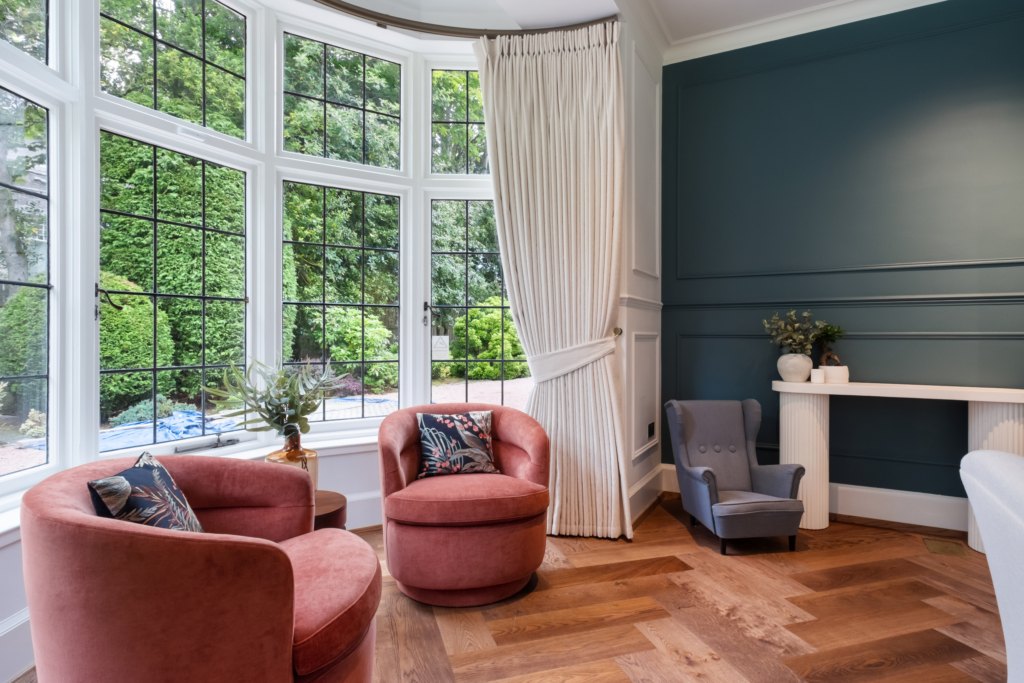
Beyond colour, there is growing interest in texture and craftsmanship. Wider boards, wire-brushed surfaces, natural splits and traditional joinery details, including bowtie joints (as seen in the Signature Collection), are increasingly specified to celebrate timber’s individuality.
Patterned flooring layouts such as herringbone and chevron continue to grow in popularity, adding rhythm and movement while remaining timeless. We’re also seeing greater consideration given to cohesive detailing, with matching skirting and thresholds designed as part of the overall interior scheme.
This renewed focus on material honesty and craft reflects a broader desire for interiors that feel considered, tactile and long-lasting.
Expert View
There is a growing preference for crafted floors that celebrate the tactile qualities and natural features of timber.Jodie Wight Interior Project Liaison Technician
Looking ahead to 2026
2026 is shaping up to be a year where timber design balances expression with restraint, and craft with performance. Whether through bold colour, refined profiles or richly textured interiors, timber continues to offer versatility without compromising on sustainability.
Have any of these timber design trends inspired you?
Our team is always happy to offer advice on timber selection, finishes and fixings for your next project. Get in touch to start the conversation.