Sapwood: understanding its impact on timber durability and quality
Sapwood plays a crucial role in a tree’s life, but its presence in timber products can introduce significant challenges. While heartwood is the most durable and stable part of the wood, sapwood has different properties that make it less suitable for certain applications. In this guide, Architectural Liaison Technician, Taylor Butler explores the characteristics of sapwood, the potential issues it presents, and how our careful grading ensures high-performance timber solutions.
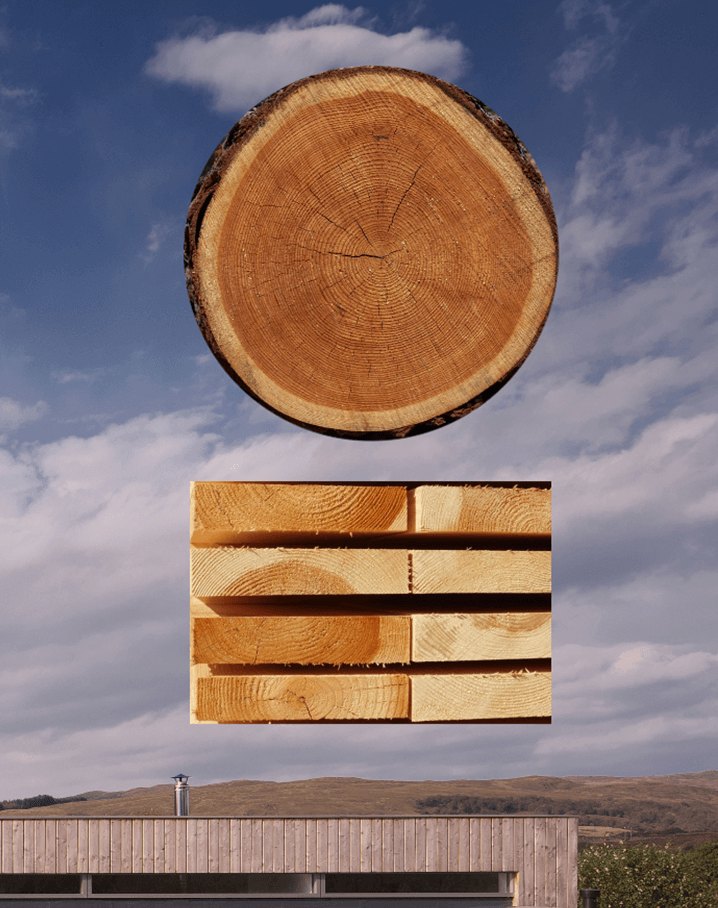
What is sapwood?
Sapwood is the outermost living layer of a tree, responsible for nutrient transportation and is non-durable. It sits between the bark and the inner core, known as heartwood. This layer facilitates the movement of water and nutrients from the roots to the leaves. Over time, as the tree matures, the inner cells of the sapwood transition into heartwood, which provides strength and structural stability.
Sapwood and heartwood can typically be distinguished by differences in colour and density. Sapwood tends to be lighter and softer compared to heartwood. However, these distinctions can vary depending on the species. Young trees generally have a wider band of sapwood, while older trees display a narrower band as more of it converts into heartwood.
What happens when sapwood is left exposed?
While sapwood plays a vital role in a living tree, its natural properties make it less desirable for timber products, especially in applications like cladding and decking. The primary concerns with sapwood include:
- Moisture absorption – Sapwood retains more water than heartwood, leading to swelling, warping, and instability when exposed to the elements.
- Susceptibility to decay – Its high moisture content makes sapwood prone to fungal attacks and rot. This leads to staining and discolouration which will result in decay.
- Insect infestation – Sapwood contains more nutrients, making it more attractive to wood-boring insects and fungi.
By grading out sapwood, we provide timber that is more resilient and long-lasting, ensuring architects, designers, and contractors receive a reliable and aesthetically superior product.
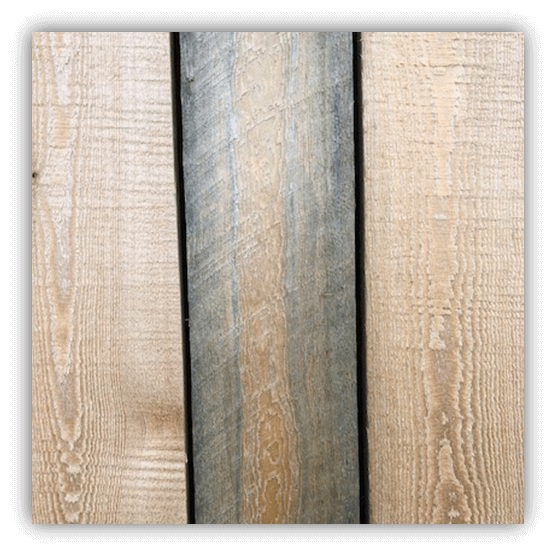
The importance of grading out sapwood
To ensure high-quality timber products, rigorous grading processes are essential, and not always common practice. At Russwood, we follow stringent in-house grading procedures to produce high-performance timber and take extra care to remove the sapwood from the face of the board, which in turn ensures quality:
- Visual grading – Each board is manually inspected for defects, including knots, splits, warping, and sapwood content.
- Machine grading – Boards are processed to optimise usable lengths while minimising waste.
Larch is a species that experiences more issues when sapwood isn’t removed from the boards. For products like Scotlarch® and Architect Select® Larch, we ensure the face of the board is sapwood-free. This means our timber cladding offers superior durability, dimensional stability, and a more consistent aesthetic. It’s very common that sapwood is not graded out before selling, which can lead to premature failures in cladding and decking solutions.
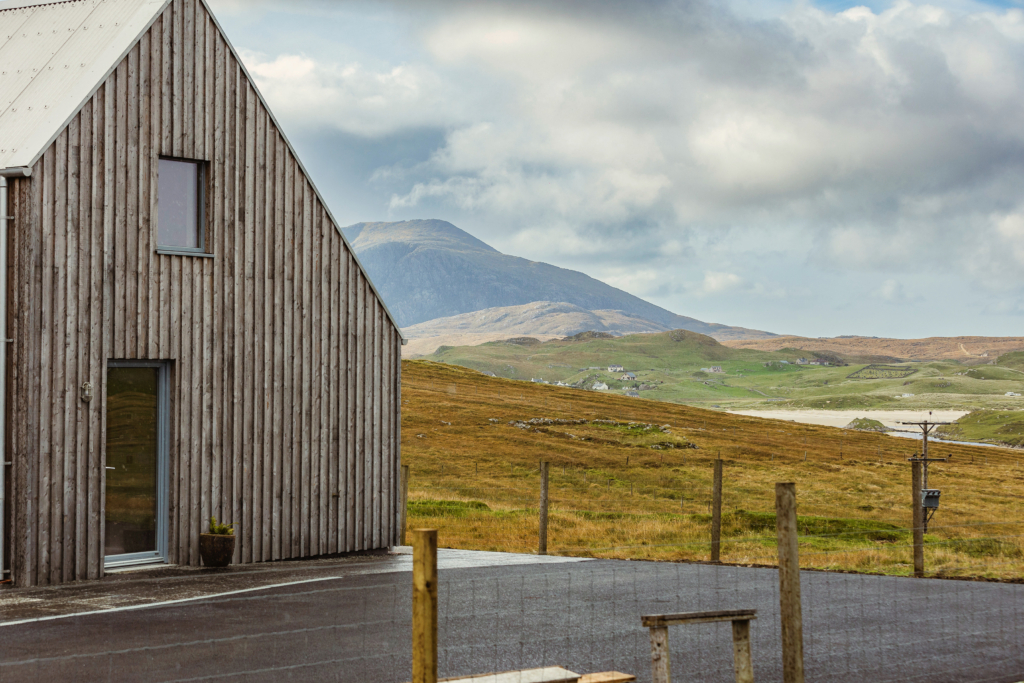
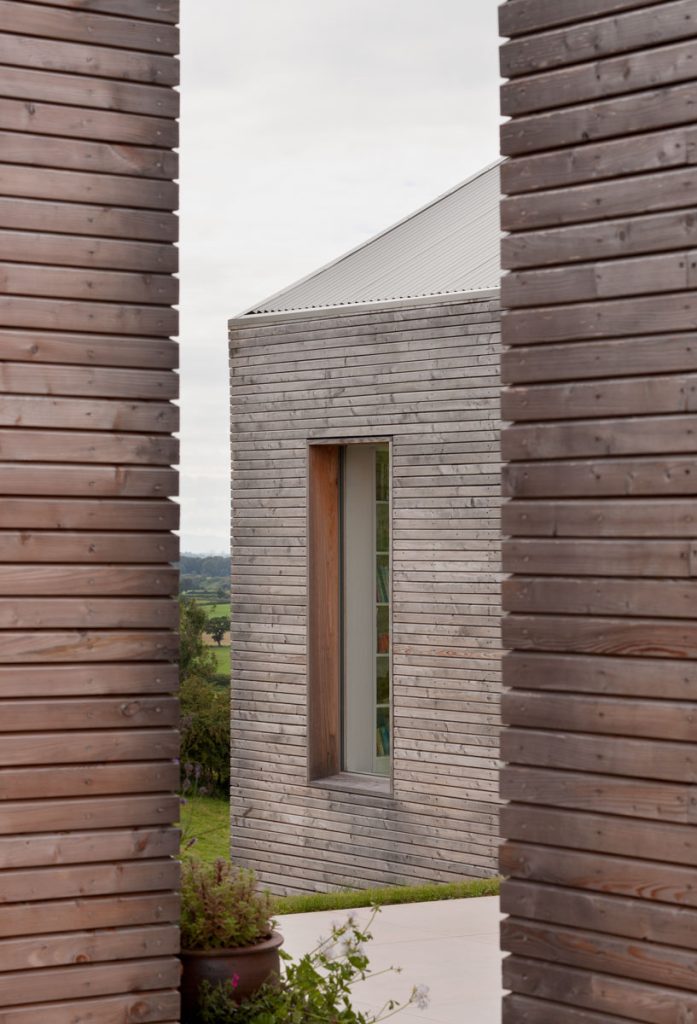
Why choose Russwood?
At Russwood, our commitment to quality means ensuring that our cladding and decking products are free from exposed sapwood on the main face. This rigorous approach sets us apart, ensuring that our timber is of the highest standard in terms of durability, stability, and aesthetic appeal. Our meticulous grading processes help to create materials that not only perform exceptionally well but also maintain their visual integrity over time. Whether for cladding, decking, or other timber applications, our customers can trust that they are receiving a product that has been carefully selected and crafted to meet their project’s demands.
Key Takeaways
Higher moisture content makes sapwood prone to warping, decay, and insect damage.
Removing sapwood improves timber durability, stability, and aesthetic consistency in cladding and decking.
At Russwood, we follow stringent in-house grading procedures to produce high-performance timber and take extra care to remove the sapwood from the face of the board, ensuring quality.
Interested in learning more about high-performance modified timber?
Explore our range of sustainable timber solutions or get in touch with our team for expert advice on selecting the right product for your project.